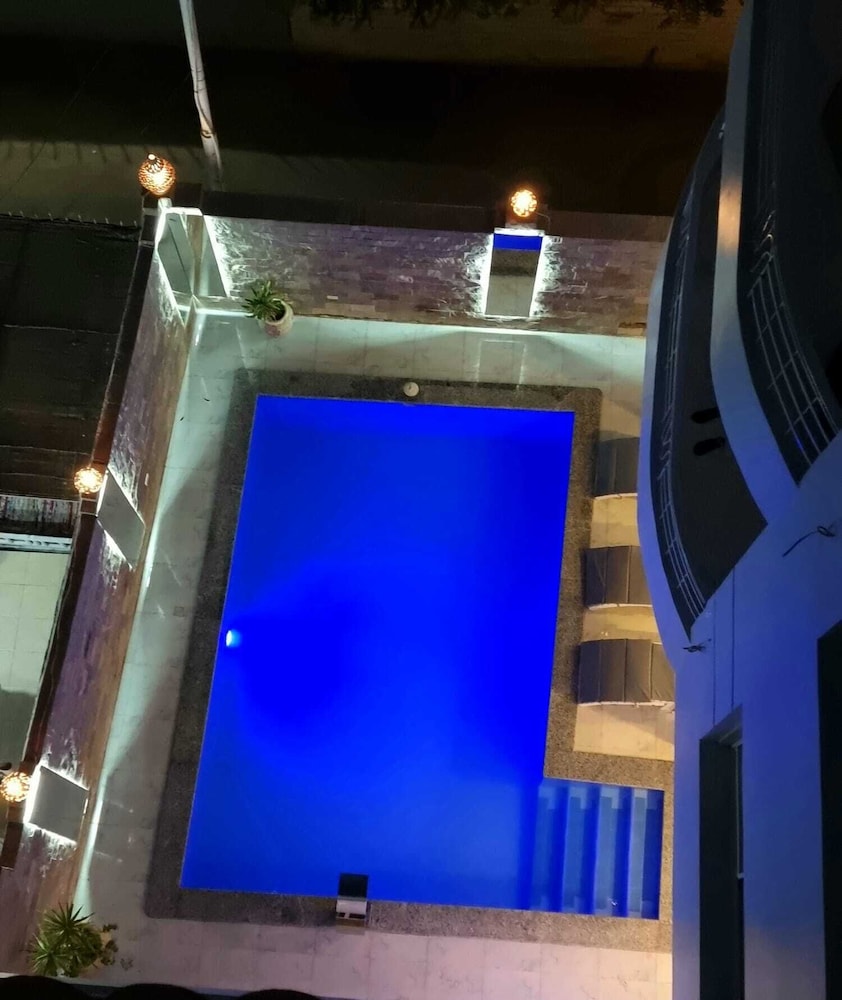
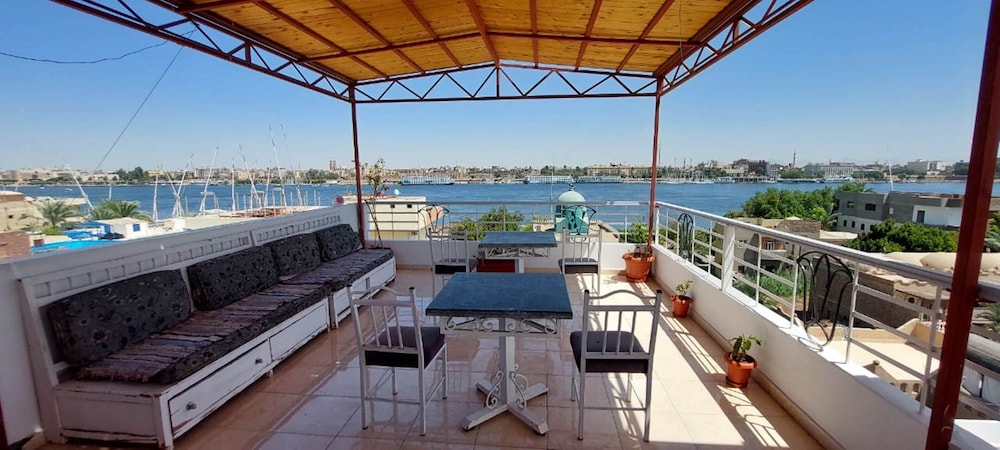
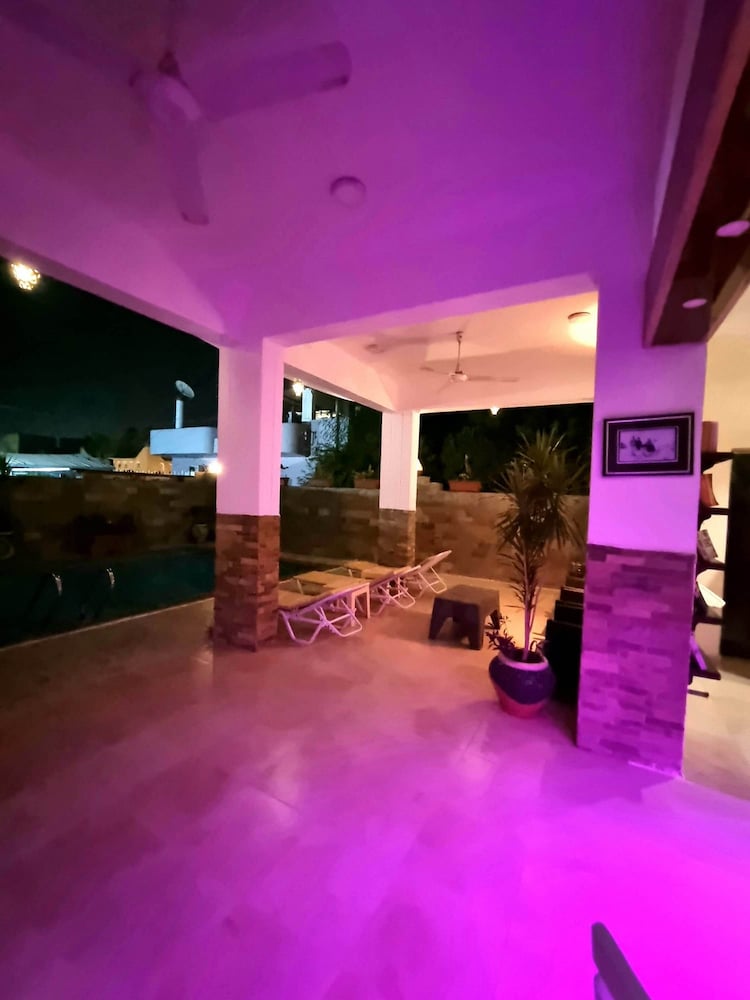
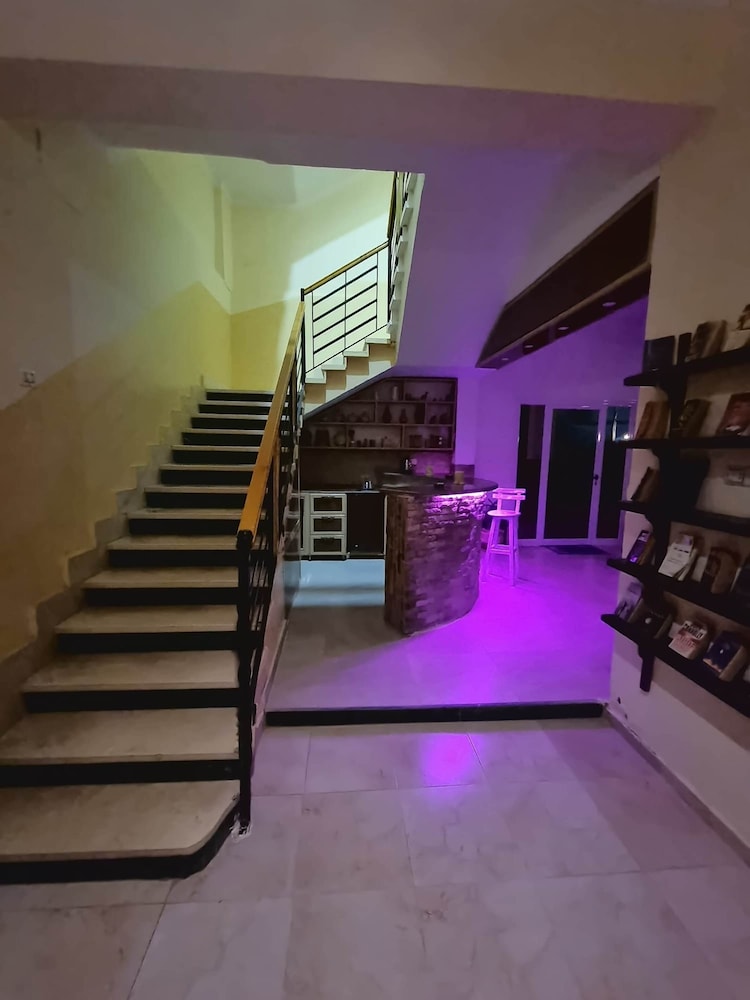
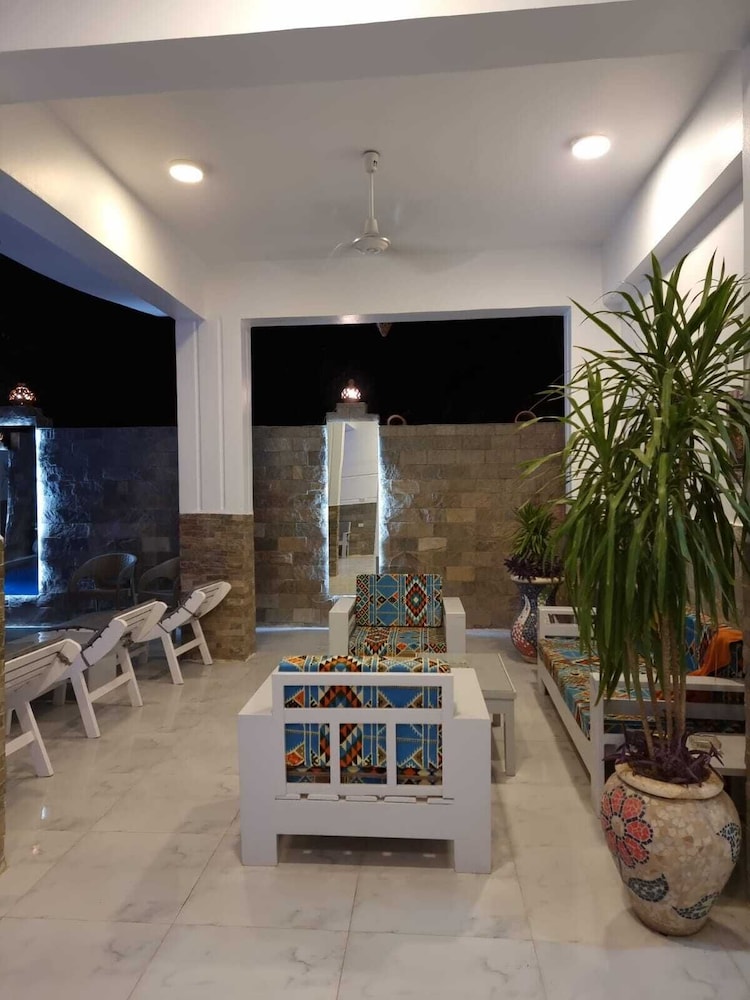
Nile Diana Luxor
Nile Diana Luxor is an economical option in East Bank, Luxor, handy for travellers focused on Valley of the Kings and the main sights.
Guests typically choose East Bank for its balance of location and price; Nile Diana Luxor is a good fit if you want to be near the action in Luxor.
Rates shift with the season and with demand, so the live price on the booking page is always the one to trust — tap through for tonight's or your dates' real availability.
Key facts
What’s included
Around East Bank


.jpg?width=1280)
Where to stay in Luxor: East Bank, West Bank and the Corniche
Stay on the East Bank if it is your first visit. The Corniche al-Nil strip between Luxor Temple and the Winter Palace puts you within a 15-minute walk of the temple, the souq and the train station, and a short taxi from Karnak, 3 km north. This is where most 4- and 5-star Nile-view hotels sit, and where nightly rates run highest. Luxor City Center, one block back from the Corniche, is cheaper by 20-40% for essentially the same location, and Al-Awameyah to the north-east is where you find the budget guesthouses used by backpackers heading on to Aswan.
The West Bank is the quiet side, reached by the bridge 7 km south of town or the local ferry from the Corniche. Al-Qurna, New Qurna and the lanes around Medinat Habu are dotted with small family-run guesthouses on farmland, often 30-50% cheaper than an equivalent East Bank room, and within a 10-minute drive of the Valley of the Kings. Choose the West Bank if you want to be near the tombs at dawn and do not mind crossing the river for dinner; choose the East Bank if you want restaurants, ATMs and the train on your doorstep.
Best time to visit Luxor month by month
October to April is the season. Daytime highs sit around 25-30°C, the tombs are bearable, and hotel rates on the Corniche peak between 20 December and 5 January and again over Easter, when a Nile-view double can double from its November price. February and March are the sweet spot: reliable weather, full site opening hours, and the Luxor African Film Festival usually falling in March. November is nearly as good and noticeably cheaper.
May to September is low season and hot: 42-46°C in July and August is normal, and afternoon visits to Karnak or Hatshepsut are genuinely punishing. Hotels drop rates by 30-50%, and you can negotiate further on arrival. Ramadan (moving earlier each year) changes restaurant hours across Luxor City Center and the West Bank villages; iftar in the souq is worth timing for, but expect quieter days. The Opet-linked festivities and moulids around Abu al-Haggag Mosque, built inside Luxor Temple, are the other dates locals plan around.
Getting around Luxor and the Nile Valley
You do not need a car in Luxor itself. The East Bank sights — Luxor Temple, Karnak, the Luxor Museum and the Mummification Museum on the Corniche — are walkable or a 20 EGP taxi apart. Karnak is 3 km north of Luxor Temple; a caleche costs 50-100 EGP after bargaining. For the West Bank, hire a taxi for the day (roughly 600-1,000 EGP for the Valley of the Kings, Hatshepsut, Medinat Habu and the Colossi of Memnon) or cross on the public ferry for 5 EGP and pick up a taxi on the far side.
For day trips further out you have three options. Trains run from Luxor station to Esna, Edfu, Qena and Dendera, but timings are inconvenient; most travellers hire a driver instead. Dendera is 60 km north (about an hour), Abydos 160 km north (2.5-3 hours, best done as a long day with Dendera), Edfu 115 km south, and Esna 55 km south with its lock where cruise ships queue. Armant, Al-Tod, Naqada, El-Ballas and Al-Bayadiya are all within 30 km of Luxor and only reachable practically by taxi or private car.

