Luxor with limited mobility: what's accessible and what isn’t
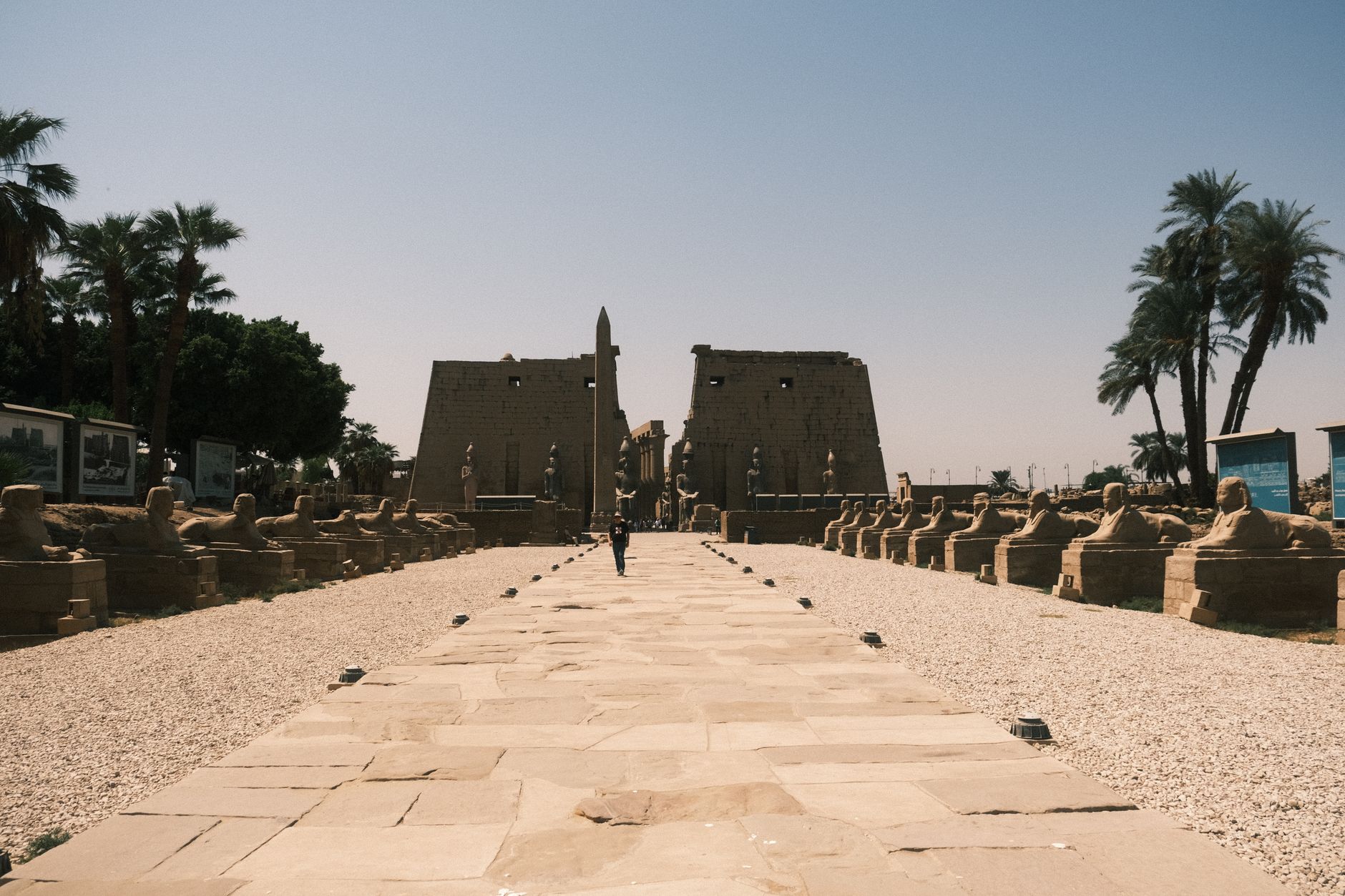 Ramp entrance at a Luxor temple with visitor using a wheelchair being pushed by a companion
Luxor is challenging for wheelchair users and travellers with mobility limits, but roughly half the major sights are workable with the right planning and about 300 dollars of extra logistics.
The honest baseline: Egypt is not an accessible destination
Luxor has almost no accessibility infrastructure in the sense that Western Europe or North America would recognise. Sidewalks are broken, curbs are unramped, ancient sites involve sand, gravel, uneven stone, steep ramps and unrailed drops, and public transport is essentially inaccessible for wheelchair users. That said, the culture is helpful in a way that fills gaps other places do not — strangers will physically lift a wheelchair over a step, guides will problem-solve on the fly, and hotels will assign extra staff.
If you are booking Luxor for a wheelchair user, a slow walker with a cane, or a traveller recovering from surgery, budget an extra 30 to 50 percent on transport for private cars with drivers, an extra day of pace on the itinerary, and an extra 200 to 400 US dollars for accessibility-focused private guiding. This is not a place to try to do on a shoestring with mobility limits. It is entirely possible to do well with resources and planning.
Hotels that actually work for wheelchair users
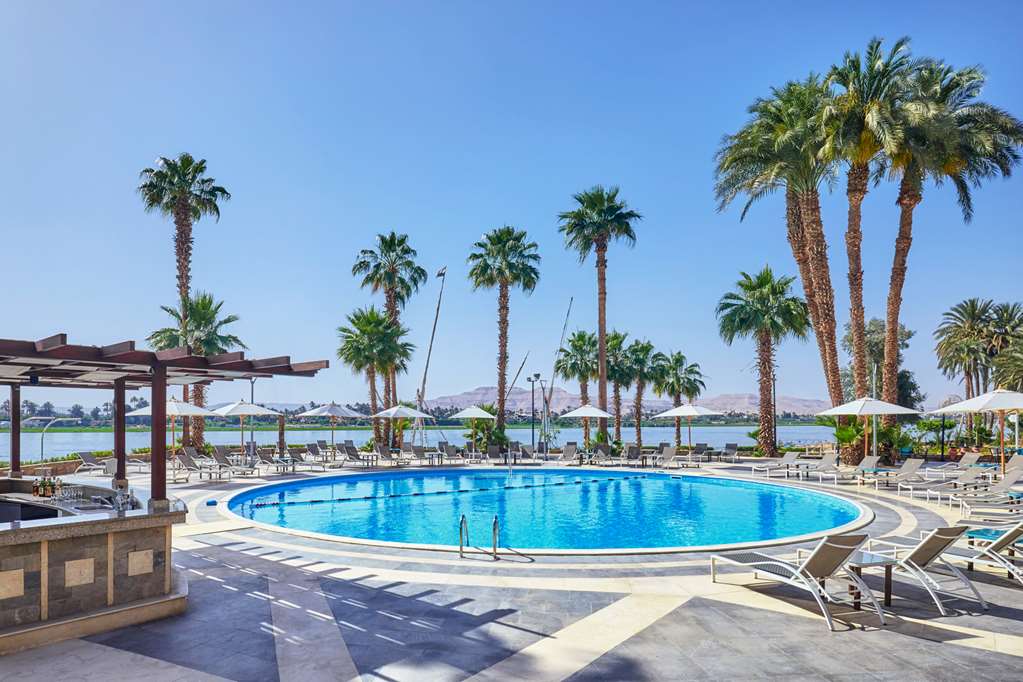
The Sofitel Winter Palace has one accessible ground-floor room in the modern wing, a ramp to the main lobby, a pool lift available on request, and lifts throughout — book by phone or email rather than online to confirm the specific room. The Hilton Luxor Resort has multiple accessible rooms, step-free access from the driveway to the lobby and pool, and its resort layout is largely flat. The Steigenberger Nile Palace has one accessible room and the newest lifts.
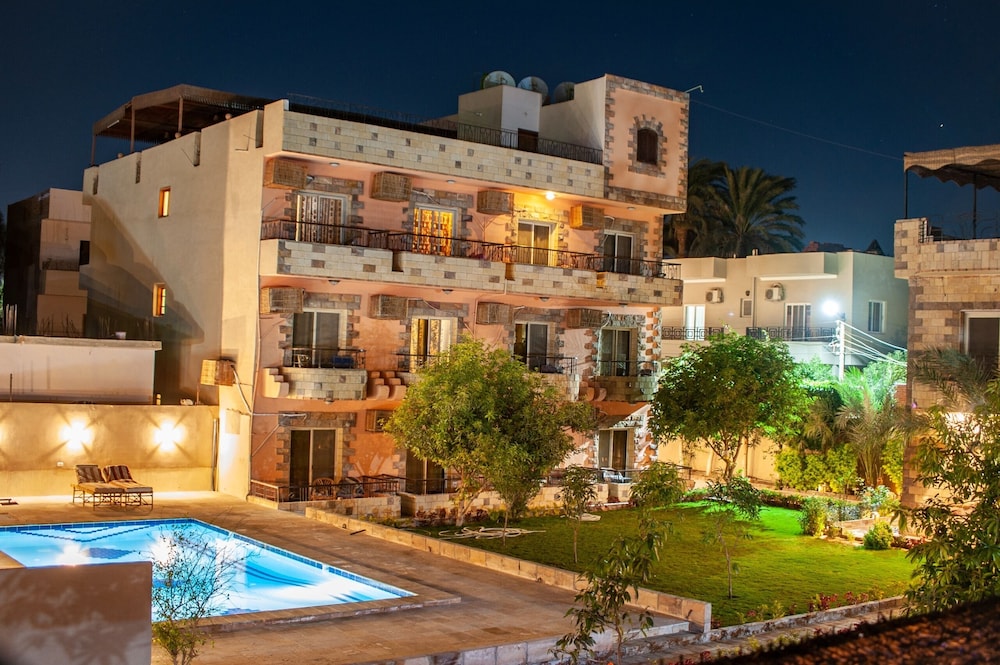
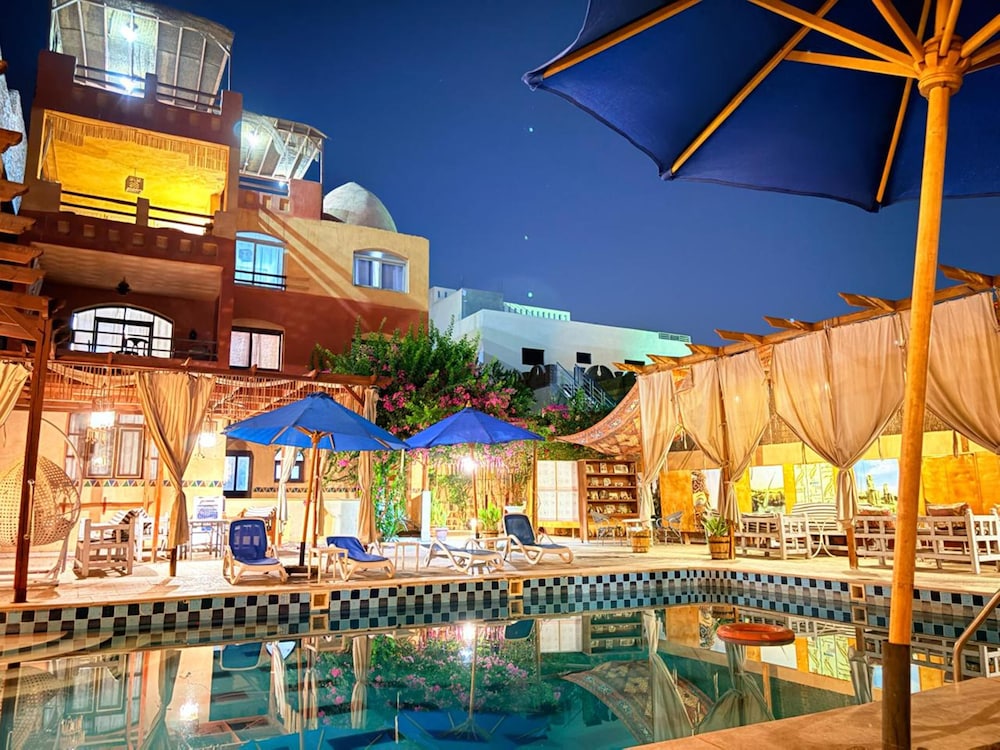
Avoid the older Nile-view boutique properties (Nefertiti, Bob Marley, Fontana) unless you can manage stairs — most are in converted buildings with no lift and rooftop breakfast four flights up. On the West Bank, Al Moudira Hotel has ground-floor suites with step-free access to their gardens and pool, and is the best West Bank base for mobility limits. Confirm bathroom specifics — roll-in showers exist but are not standard, and many 'accessible' rooms have a small step at the bathroom door.
Sites that work reasonably well
Luxor Temple has a mostly flat main axis with a paved path from the ticket office through the Ramses II court and colonnade to the sanctuary. A wheelchair user can see about 80 percent of the temple with one companion for help over uneven paving. Karnak is larger and harder — the entrance and Great Hypostyle Hall are manageable, but the deeper sanctuary requires navigating rougher ground. Both allow companion entry at no extra fee.
Luxor Museum and the Mummification Museum are the most accessible major sights in the region. Both have lifts, ramps, wide corridors and accessible toilets. On the West Bank, Hatshepsut's temple has a long ramp up to the first terrace, which is walkable in a wheelchair with a strong pusher; the upper terraces require stairs and are not accessible. Medinet Habu is largely ground-level and manageable for the main courts.
Sites that essentially do not work
The Valley of the Kings is the hardest site to access. The tombs are reached by descending steep ramps and stairs into rock-cut chambers, most with handrails that are not continuous. Some tombs — KV1 (Ramses VII) and KV2 (Ramses IV) — have shorter, less-steep descents and are the best options for a mobility-limited visitor who can handle some stairs with support. Tutankhamun (KV62) is one of the shallower tombs but the entrance stairs are still challenging.
The Tombs of the Nobles, Deir el-Medina and most other tomb sites are similarly rock-cut with narrow stairs. The Ramesseum has significant uneven ground and rubble. Karnak's outer areas, the sacred lake, and the Open Air Museum involve extensive walking on sand and broken stone. Dendera and Abydos as day trips involve two and a half hours each way in a car plus significant walking at the sites themselves — feasible for slower walkers with time built in, difficult for wheelchair users.
Transport: private cars, no adapted vehicles
Luxor has no adapted taxis or wheelchair-accessible public transport. What works is hiring a private car with driver for a full or half day at 800 to 1,500 pounds, using a sedan (Toyota Corolla, Hyundai Elantra) where wheelchairs fold into the trunk and the user transfers to the seat. A folding manual wheelchair works; a heavy powered chair does not fit in local vehicles and would need to be shipped separately, which is not practical for most visitors.
The ferry across the Nile has a fixed gangway with a small step and is manageable with help, though the boat rocks and boarding is quick. The bridge crossing by car adds 20 to 30 minutes each direction versus the ferry but avoids the boarding altogether — worth the time for wheelchair users. Uber and Careem work well for East Bank movement, and the driver can help with folding a chair, though they are not trained in transfer assistance.
The Nile cruise question for limited mobility
A Nile cruise between Luxor and Aswan can actually be one of the more accessible ways to see Upper Egypt, because your accommodation moves with you and the shore excursions can be selectively skipped. Larger boats like Movenpick Sun Ray, Oberoi Zahra and Sonesta St George have lifts between decks, wide corridors and at least one accessible cabin — book by phone and confirm specifics for that specific vessel and departure.
The shore excursions vary. Kom Ombo and Edfu temples are relatively flat and manageable. Esna has a steep ramp down into the site because the temple sits below modern ground level. Aswan's Philae temple requires a boat transfer that is doable with help. The High Dam and Unfinished Obelisk are drive-by stops with minimal walking. Skip Abu Simbel by road if flying is an option — the road trip is exhausting and the site itself has significant stairs.
Finding a guide who understands accessibility
The right guide makes or breaks a Luxor trip for a mobility-limited visitor. Look for a licensed Egyptologist who has worked with disabled travellers before — ask specifically, not vaguely. Operators like Egypt for All, Djed Egypt Travel and Memphis Tours have guides who understand the terrain and will honestly say what works and what does not, rather than overpromise. Rates run 1,500 to 2,500 pounds per day for the guide plus car and driver.
Brief the guide on your specific limitations before the day starts, not at the site. If stairs are impossible, say so; if 200 metres of level walking is fine but sand is not, say so. Egyptian guides are excellent problem-solvers when given real information, and they will restructure the day around what is actually feasible. Do not try to power through — the heat plus terrain plus fatigue compounds, and one bad afternoon can end the trip.
Before you book
The questions people ask about East Bank, answered with this month’s numbers.
Standard manual wheelchair rentals are hard to find. Some larger hotels (Hilton, Sofitel) keep one or two for guest use — request in advance. Medical supply shops in downtown Luxor sell basic wheelchairs for 3,000 to 5,000 pounds if you need to buy one on arrival. Bring your own if at all possible; foldable travel chairs work best in local taxis.
Karnak, Luxor Temple, Luxor Museum, Valley of the Kings central office and Hatshepsut have step-free or ramp access to ticket windows. Smaller West Bank sites have a step or two at the ticket kiosk but staff will come to you if you call over. Companions and carers enter free at all sites — bring identification if the relationship is not obvious.
Depends on the specific limitation. Balloon baskets require stepping over a waist-high edge and standing for the flight, with landings that can be bumpy. Operators like Sindbad and Magic Horizon will discuss individual cases and sometimes provide a small step. Wheelchair users generally cannot do the standard flight; slow walkers with good upper-body strength often can.