Is Luxor Accessible? A Wheelchair and Mobility Guide
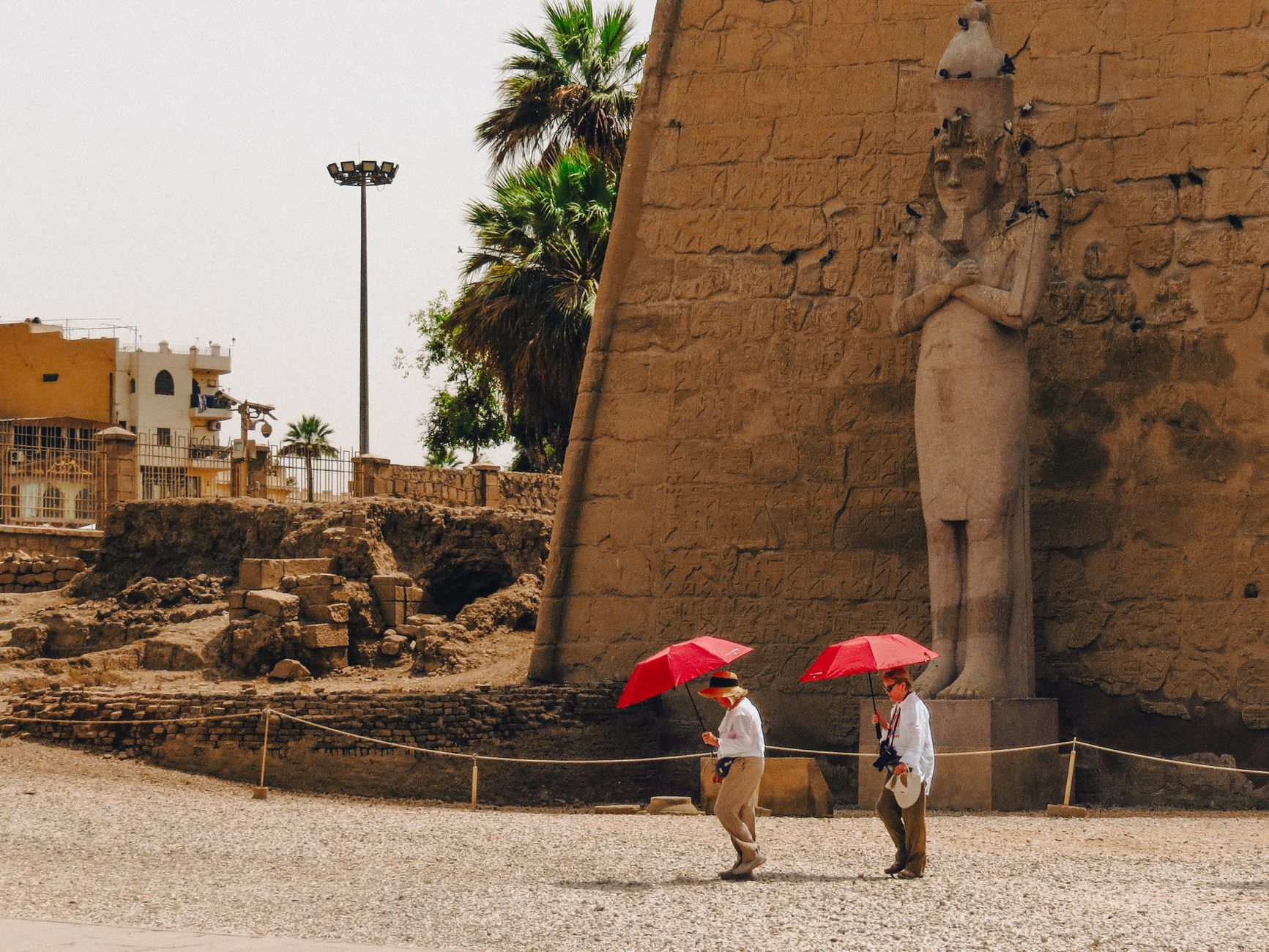 Ramp leading up to a temple entrance on the East Bank of Luxor
Luxor is partly accessible — around 40% of the major sites work for wheelchair users, and here's exactly which ones.
The honest overall picture
Luxor was not built for wheelchairs and the pharaonic sites were built for priests climbing steep ramps. That said, more of the city works than travel forums suggest, and things have improved noticeably since 2019 when the Sphinx Avenue reopened with paved paths and the Grand Egyptian Museum influenced upgrades at satellite sites. If you use a wheelchair full-time, plan for a mix of full access, partial access with help, and sites you’ll need to skip. If you walk with a cane or have limited stamina, almost everything is doable with pacing.
The two biggest structural problems are sand and steps. Sand fills the approach to most West Bank tombs and can’t be paved because of conservation rules. Steps appear inside tombs, up temple pylons, and around unrenovated hotels. Curbs on the Corniche are unmarked and inconsistent. Hire a driver for the day rather than trying to use street transport — a private car with a patient driver (500-700 EGP for eight hours through your hotel) is the single upgrade that makes Luxor workable.
Which sites actually work
Karnak Temple is the most accessible major site. The main axis from the first pylon through the Hypostyle Hall to the sanctuary is flat compacted gravel, and staff will open a side gate to let a wheelchair bypass the first-pylon steps if you ask. You’ll cover maybe 60% of the complex — the sacred lake area and the further pylons involve uneven ground. Luxor Temple is fully wheelchair-navigable on the ground level and stunning at night when lit. The Luxor Museum has ramps and a lift; the Mummification Museum is small, ground-floor and easy.
On the West Bank, Medinat Habu has a mostly flat interior with some steps at the second pylon that a companion can help with. Hatshepsut's Temple has three levels reached by long ramps — the ramps were built for ancient processions, and while steep, they were designed exactly for what you’re using them for. You can reach the middle terrace easily; the upper terrace is harder. Deir el-Medina is small, flat, and often overlooked, which makes it a good stop.
Which sites don’t work
The Valley of the Kings is the hardest call. The visitor centre and the tram to the tomb area are accessible, but individual tombs involve descending steep ramps or steps carved into rock, often 40-80 metres down. KV2 (Ramesses IV) is the flattest and shortest, with a gentle ramp and no interior steps — this is the one tomb realistically doable in a manual chair with a strong companion. KV62 (Tutankhamun) has a short flight of steps down but a small chamber. Skip KV9, KV11, KV14 and KV17 unless you can manage stairs.
The Valley of the Queens has similar problems. Nefertari's tomb (QV66) is spectacular but involves a steep descent. The Ramesseum has too much rubble and uneven ground. The Tombs of the Nobles are cut into a hillside reached by sand paths — not workable. Hot air balloon rides require climbing into a basket about a metre high while it's moving; operators will not accept wheelchair users due to insurance, though a few will accommodate mobility issues that don’t prevent standing.
Hotels that actually deliver on "accessible"
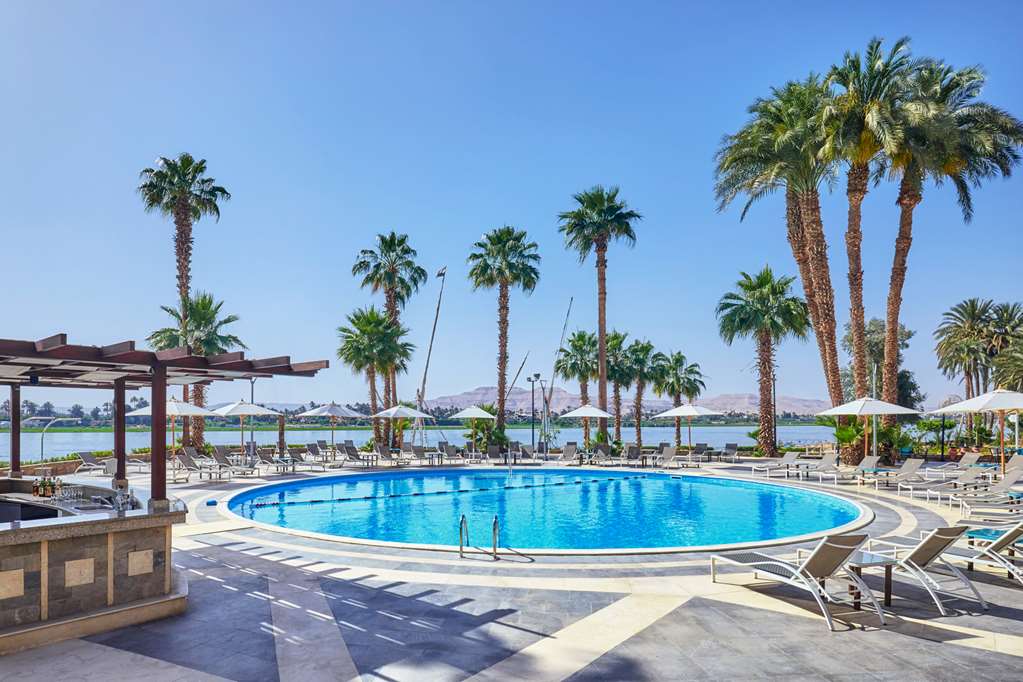
The Hilton Luxor Resort has properly designed accessible rooms with roll-in showers, grab bars, and lowered fixtures — book directly and confirm in writing which room type. The Sofitel Winter Palace has one accessible room in the modern pavilion (not the historic wing, which has narrow corridors and steps everywhere) — the pavilion also has pool access via a ramp. The Steigenberger Nile Palace has lift access to all floors and two accessible rooms, though the bathroom grab bars are more decorative than functional.
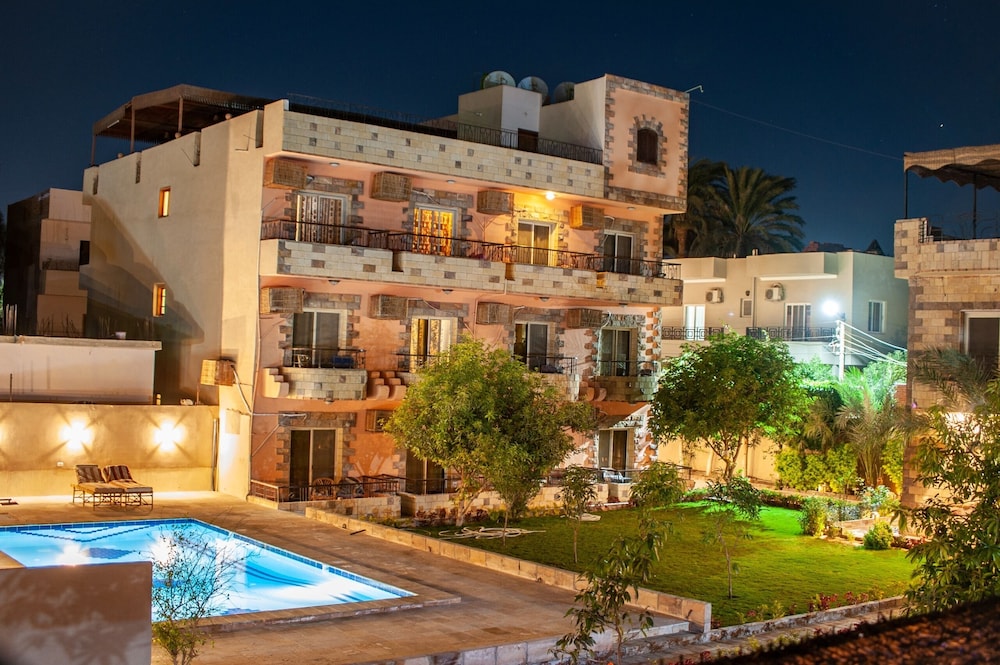
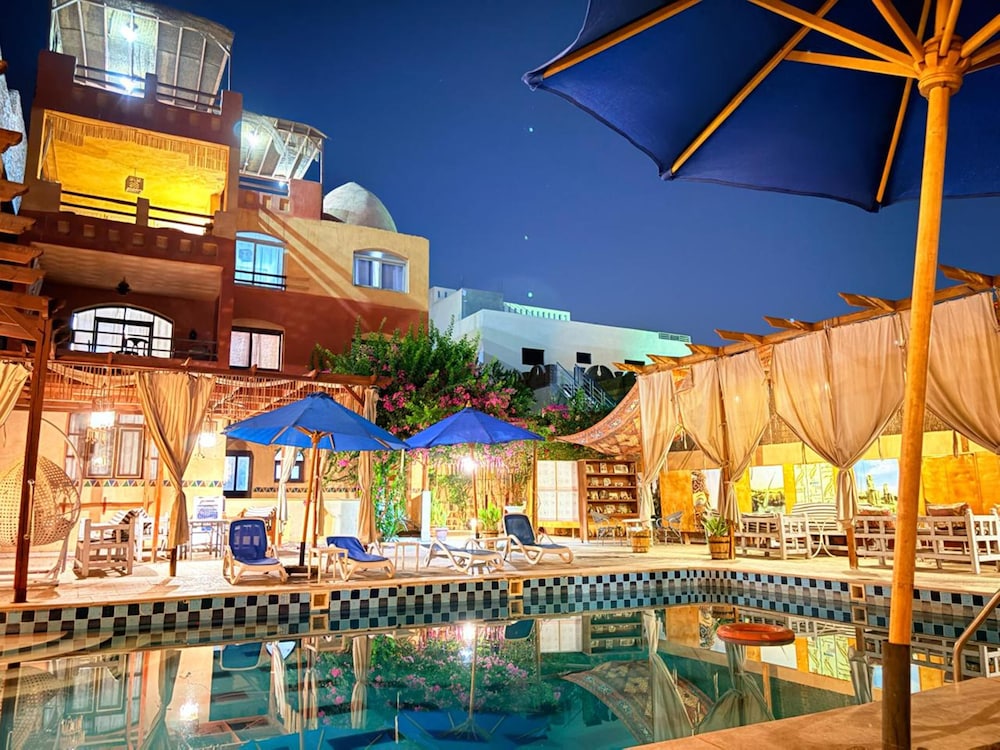
Below four-star, be sceptical. Many hotels claim accessibility because they have a lift, but the lift is 90cm wide and won’t fit a standard chair, or the "accessible" room has a shower with a 20cm lip. If a hotel doesn’t give you a photo of the bathroom on request, assume it doesn’t exist. On the West Bank, Al Moudira and Nour el Balad are single-storey but have gravel courtyards and thresholds — call ahead and ask about your specific chair width.
Getting around with mobility limits
Taxis in Luxor are standard sedans — Hyundais and Kias with regular back seats. Transferring is straightforward if you can stand briefly; the driver will help with the chair in the boot. There are no wheelchair-accessible taxis in the sense you’d find in London or New York, no ramp vans, no lifts. If you cannot transfer, you’ll need to arrange a minivan through a specialist operator like Egypt for All or Sanabel Travel, who have side-loading vehicles at around 1,200-1,500 EGP per day.
The public ferry to the West Bank has a step onto the boat and no ramp; crew will lift a chair if you ask, and the crossing is short and calm. The Nile cruise boats are mostly inaccessible above the main deck — cabins are down narrow staircases. Two river ships (the Oberoi Zahra and the Sanctuary Sun Boat IV) have accessible cabins with prior booking; standard Dahabiya sailboats do not.
Heat, terrain and stamina realities
Heat is a mobility issue as well as a comfort one. A wheelchair user sitting in direct sun on black upholstery in 40°C conditions overheats faster than a walker. Aim for November through February visits, when daytime highs sit around 22-26°C and the sun is manageable. Avoid May through September if you have any cardiovascular or thermoregulation issues. Every accessible site listed above has some shade but the transitions between shaded areas are exposed.
Sand is the terrain problem nobody warns you about. The approach paths to West Bank sites are compacted but drifts form daily, and standard wheelchair castors dig in. Consider renting or bringing wheelchair beach attachments (freewheel attachments work well) if you use a manual chair. Power chairs cope better but their range drops significantly on soft ground — arrive at each site with 60% battery minimum, and don’t count on charging opportunities during the day.
What to book and what to skip
If you have four days and use a wheelchair: day one Karnak plus Luxor Temple plus Luxor Museum (all East Bank, all workable). Day two West Bank with a private car — Medinat Habu, Hatshepsut middle terrace, Deir el-Medina, and KV2 at the Valley of the Kings. Day three a Nile felucca ride (the small ones are easier to board than cruise ships, and captains are helpful) plus the Mummification Museum. Day four a day trip to Dendera Temple, which is surprisingly flat inside and one of the most complete temples in Egypt.
Skip: the Valley of the Nobles, the Ramesseum, hot air balloons, standard cruise boats, and any tour marketed as "comprehensive" without a pre-visit conversation about your needs. Book guides who have worked with disabled travellers before — ask directly, and ask for references. The blanket "of course we can accommodate" answer from a booking agent means nothing; the specific answer "we did a trip in November for a client using a power chair and here's what we did" means everything.
Before you book
The questions people ask about East Bank, answered with this month’s numbers.
Karnak, Luxor Temple, the Valley of the Kings visitor centre, and Hatshepsut all have accessible toilets, though "accessible" is generous — expect a wider stall with a grab bar rather than full compliance. The Luxor Museum's are the best. Carry your own supplies; paper and soap are inconsistent even in accessible stalls.
Basic manual chairs can be rented through some hotels and a few pharmacies on Sharia al-Mahatta for around 100-150 EGP per day, but quality is poor — expect a hospital-style chair with limited manoeuvrability. Power chair rental effectively doesn’t exist. Bring your own equipment and a basic repair kit; punctures on gravel are the main risk.
Do the math on your specific itinerary. If you’re doing Karnak, Luxor Temple, Hatshepsut, Medinat Habu and one Valley of the Kings tomb, the standard pass at 100 USD roughly matches individual ticket prices. If you’re skipping the Valley entirely, individual tickets are cheaper. The premium pass only pays off if you’re visiting Seti I or Nefertari.