Money in Luxor: Cash, Cards, ATMs and What to Actually Bring
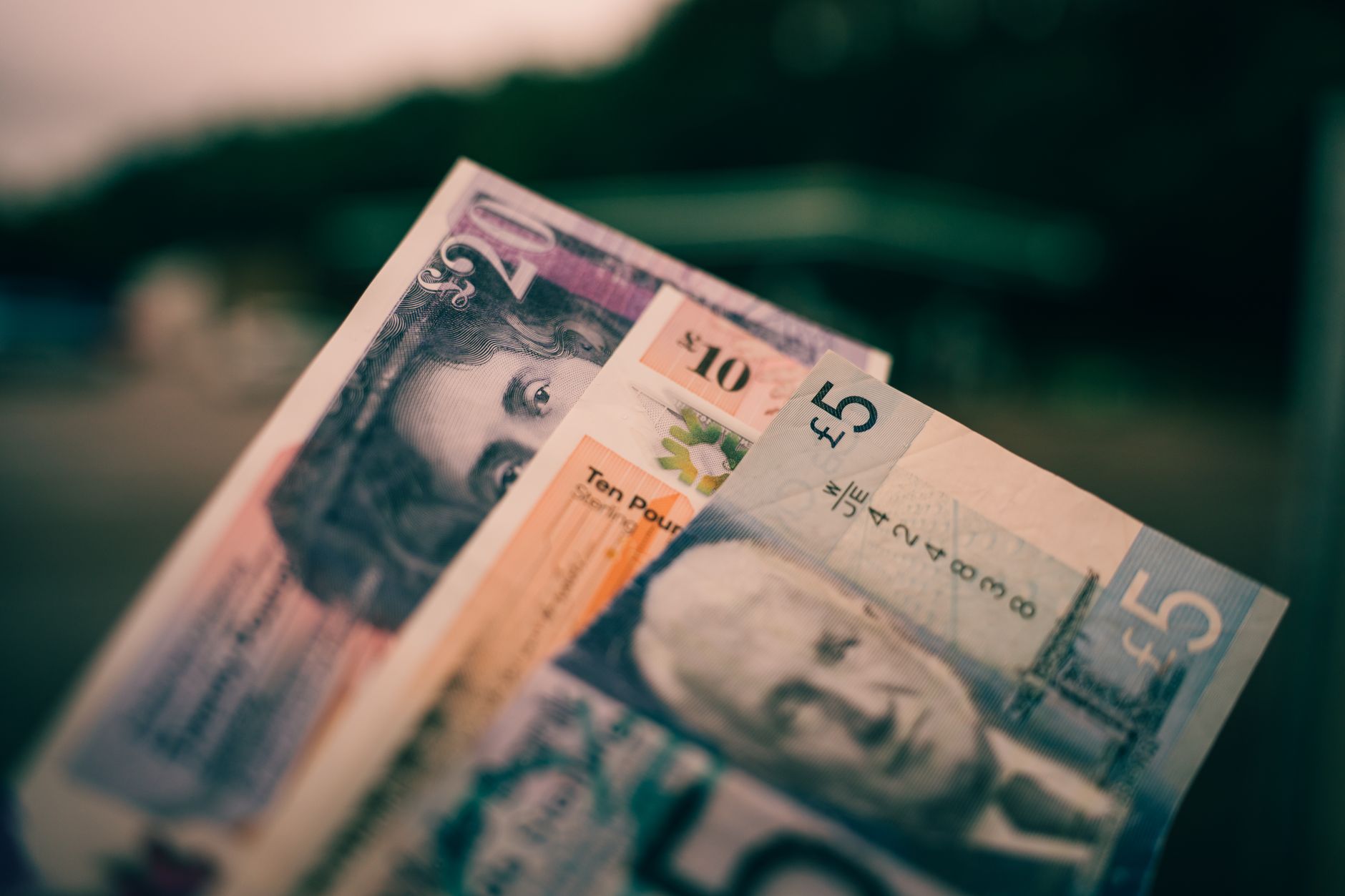 Egyptian pound banknotes and a card reader on a hotel counter in Luxor
The full breakdown after three weeks of testing every payment method — including which cards get rejected 40% of the time.
Cash is still king, and probably always will be
Plan on 70% of your transactions in Luxor being cash. That includes every taxi, every ferry crossing, every ticket window, most restaurants outside four-star hotels, every souk purchase, every tip, every bottle of water from a corner shop, every calèche ride and every tour guide who isn’t invoicing through a big agency. Cards work where you’d expect them to — hotels, upscale restaurants, a few tourist-facing shops — and don’t work almost everywhere else. This isn’t changing quickly.
Bring 200-300 USD in cash for your first three days as a backup, in mixed denominations (20s and 50s work better than 100s because change is hard to find), then rely on ATMs after that. The old advice of "just use dollars" is outdated — most places will accept USD but at a mediocre rate, and you’ll get pounds back as change anyway. Convert what you need at the ATM and pay in local currency. Keep 100 USD in reserve for the Luxor Pass, which requires foreign currency cash.
ATMs: which ones work, which ones don’t
The reliable ATM cluster is on Sharia al-Mahatta near the train station and along the Corniche between the Winter Palace and the Iberotel. Banque Misr, CIB (Commercial International Bank) and QNB Al Ahli machines have the highest success rate, the newest software, and English menus that actually work. Withdrawal limits vary — CIB usually allows 6,000 EGP per transaction, Banque Misr 4,000, QNB 5,000. Try the biggest machine first because per-transaction fees are fixed.
Avoid the standalone ATMs inside small shops, hotels below four-star, and anything branded "Egypt Post." They dispense less, charge more, and are the most likely to eat your card. If your card is retained, contact the branch during working hours (Sunday-Thursday, 8:30am-2pm) with your passport; recovery is usually possible within 48 hours. Cards get retained most often from using the wrong PIN twice or from network drops mid-transaction. Notify your bank of your travel dates or expect fraud blocks around day three.
Which cards actually work here
Visa and Mastercard both work broadly. Visa has slightly better acceptance at smaller merchants; Mastercard has better acceptance at hotel chains. American Express works at Hilton, Sofitel and Steigenberger properties and roughly nowhere else — do not rely on it. Discover is essentially not accepted. Contactless payments work at maybe 20% of card-accepting merchants, mostly the international hotel chains and a few coffee shops in tourist areas.
Travel-focused cards like Wise, Revolut and Chase Sapphire work fine at ATMs and merchants. Wise gets the best mid-market rate on withdrawals but has a monthly free limit; after that a 1.75% fee applies. Revolut is similar. If your home bank charges foreign transaction fees (2-3% is standard), a travel card pays for itself in a week. Debit cards work at ATMs but are riskier because a compromised debit card drains your actual account; use a credit card for anything online and keep the debit card for cash withdrawals only.
Tipping: the real numbers
Tipping (baksheesh) is not optional and is not the same as tipping in Europe or North America. Salaries in the tourist sector are structured around tips. The rates: hotel porter 20-30 EGP per bag, housekeeping 30-50 EGP per day left daily (not at the end of the stay, because staff rotate), restaurant service 10% on top of the service charge already added to the bill, taxi drivers round up but not more than 10%, tour guides 100-200 EGP per person per day for a good guide, drivers 50-100 EGP per day.
Site tips are the murky category. Tomb guardians will offer to "show you something special" (lift a rope, point out a detail, take a photo of you) and expect 20-50 EGP. You can politely decline before they start; once they’ve done the thing, pay. The Public Relations office staff who process your Luxor Pass don’t expect a tip. Anyone in uniform at an official capacity should not be tipped for doing their job, though small tips for exceptional help are accepted. Carry a stack of 20 EGP notes specifically for baksheesh.
Exchange rates and where to change money
As of early 2026, the pound trades around 48-50 to the US dollar, though this has moved sharply since the 2024 devaluation and continues to shift. Check XE or Google before every exchange. Banks give the official rate minus a small commission; hotels give the official rate minus 3-5%; airport exchanges give the worst rates of all. The best rates in Luxor are at the CIB branch on Sharia Nefertiti and at the small exchange offices on Sharia al-Mahatta near the station — bring passport, they legally require it.
Don’t change money on the street. The men who approach you offering "better rates" pass off ripped notes, short-count you, or produce old-series pounds that are no longer accepted. Don’t change more than you need at once because pounds are hard to convert back at any decent rate. Old and new banknotes are both in circulation; the plastic polymer notes are the newer series and everyone accepts them. Torn notes are a real problem — refuse them at the point of exchange because nobody will accept them from you later.
What things actually cost
To calibrate your spending: a bottle of water is 10-15 EGP at a corner shop, 40 at a hotel, 80 at a temple entrance. A local coffee is 30-50 EGP, a hotel cappuccino 80-120. A taxi across downtown is 40-70 EGP, to the airport 150-200. A sit-down dinner for two with drinks (no alcohol) at Sofra runs 500-700 EGP; the same at a hotel restaurant runs 1,200-1,800. A domestic beer is 60-90 EGP at a bar, 30 at a supermarket. A shisha at a café is 40-80 EGP.
Temple tickets range from 200 EGP (Medinat Habu, Deir el-Medina) to 600 EGP (Valley of the Kings three-tomb combo) to 1,800 EGP (Seti I tomb standalone). Domestic flights Luxor-Cairo start at 1,800 EGP one way and rise to 4,000 in high season. A first-class train seat to Cairo is 500-700 EGP; a sleeper cabin is 1,300 EGP per person double occupancy. Nile cruises range from 100 USD per person per night on older boats to 400+ USD on the Oberoi Zahra or Sanctuary Sun Boat IV.
Scams and payment traps to avoid
The "broken card machine" is not always broken. Some restaurants prefer cash to avoid the 2.5% card fee and tell tourists the machine is down. If you don’t have cash and want to pay by card, be persistent and mention a manager — the machine often revives. The reverse scam is the machine that's real but running with the wrong currency setting: check the total on screen before you enter your PIN. "Dynamic currency conversion" where the terminal offers you a rate in USD or EUR is always worse than paying in EGP; decline every time.
At the airport and the train station, watch for the man who "helps" you with the ticket machine or window and then demands 100 EGP. At tourist sites, tomb guardians occasionally palm your ticket after you enter and try to resell it — hold your own ticket. Restaurant bills sometimes acquire mystery items; check the itemised total, not just the sum. Change from large notes gets returned slowly or short — count it at the counter before you walk away. None of this is aggressive, most of it is opportunistic, and calm firmness handles all of it.
Before you book
The questions people ask about Medinat Habu, answered with this month’s numbers.
You can pay in dollars at most tourist-facing places, but the rate you get will be 5-10% worse than converting first. The Luxor Pass and some entry tickets require foreign currency cash specifically. For everything else, use pounds. Keep some small USD bills (5s and 10s) for tips to Nile cruise crew and for the pass; convert the rest.
Between 500-1,500 EGP depending on your plans. A temple day with entrance fees, lunch, taxi and tips runs 1,200-1,500 EGP per person. A hotel day where meals are covered runs 300-500. Split cash between two locations (wallet plus hotel safe) and don’t carry your whole trip's cash in one pocket. Pickpocketing is rare but possible in crowded souks.
No — barely anywhere in Luxor accepts them, and the banks that do charge high commissions and demand extensive ID. The system that made sense in 1995 has been replaced by ATM cards and travel-focused debit cards. If you already have traveller's cheques, cash them at Banque Misr on Sharia al-Mahatta; expect it to take an hour.