Ramadan in Luxor: what actually changes for visitors
 Lantern-lit street near Luxor souk at dusk during Ramadan
Ramadan 2026 runs roughly February 17 to March 18, and about 70% of local cafes shift their hours — here is what still works.
The dates and why they matter
Ramadan 2026 falls between February 17 and March 18, sliding earlier each year by about eleven days. For Luxor that lands squarely inside high season for temples, which means the sites stay busy with foreign groups while the city runs on a completely different clock. The Ministry of Antiquities does not change temple opening hours for Ramadan, so Karnak, Luxor Temple, the Valley of the Kings and Hatshepsut still open around 6:00 and close by 17:00 as usual. Ticket offices are staffed. Guides work normal shifts, though the ones fasting will politely decline coffee stops.
What shifts is the rhythm of the city between temple visits. Local restaurants, juice stands, koshari counters on Television Street and most cafes in the souk close from sunrise until iftar at sunset. Hotel restaurants, tourist-facing places on the Corniche and the big Nile-view terraces stay open all day. If you book breakfast and dinner at your hotel, you will barely notice. If you planned to graze on street food between sites, you need to rework the plan around a 17:45 iftar.
Hotel prices during Ramadan
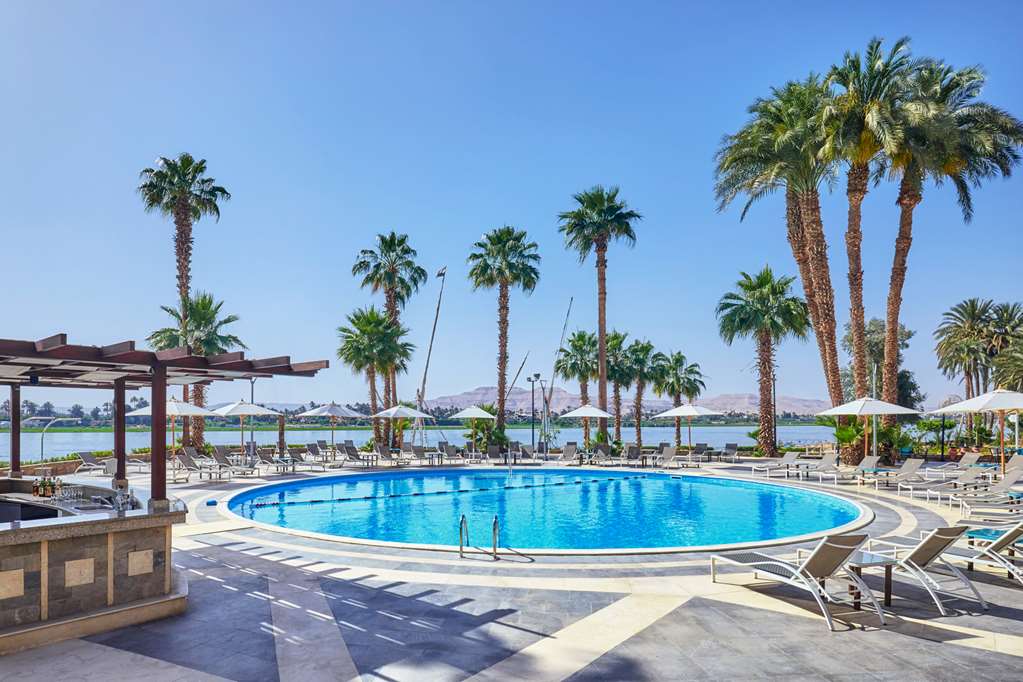
Ramadan in February-March 2026 overlaps peak winter pricing, so do not expect a discount. A Nile-view room at the Sofitel Winter Palace still runs 220-280 USD, the Hilton and Steigenberger sit around 130-170 USD, and mid-range East Bank hotels like Pavillon Winter or Iberotel hold at 90-120 USD. The Ramadan-2027 window will fall in early February, closer to shoulder pricing, and 2028 pushes into January — the same rates but with cooler evenings. Budget guesthouses in Al-Awameyah such as Bob Marley and Nile Valley stay at 15-25 USD a night.
What you can negotiate is the meal plan. Half board becomes genuinely useful during Ramadan because lunch options thin out, and hotels know it. Ask for full board at booking and you can often get lunch added for 10-15 USD per person rather than the rack 25. The Winter Palace and Hilton both run proper iftar buffets open to non-guests for around 25-35 USD — worth doing once for the atmosphere, dates and apricot juice, lentil soup, then the full spread. Book by 17:00 to secure a table.
What opens after sunset
The city genuinely comes alive after iftar. Souk al-Luxor, which is sleepy at 15:00, is packed by 20:00 with families shopping, kids on bikes and lantern strings across the alleys near the Abu al-Haggag Mosque. Coffee houses on Youssef Hassan Street pull chairs onto the pavement, shisha smoke thick until 2:00 or 3:00. This is when to see Luxor as a working town rather than a temple site. The felucca captains at the Winter Palace dock will still take you out — sunset sails become iftar sails, with the crew breaking their fast on the boat.
Sound and Light shows at Karnak continue on their normal schedule, usually 19:00 and 20:00 in English or French depending on the night. Restaurants aimed at visitors — Sofra on Mohamed Farid, 1886 at the Winter Palace, the Lantern Room, Metropolitan Cafe on the Corniche — all run standard hours and serve alcohol where they normally would. Sofra is the one worth booking ahead during Ramadan because Cairo tourists fill it after iftar. Reserve for 20:00 or later; 18:30 tables sit empty while the staff eat.
Eid al-Fitr and the crush that follows
Eid al-Fitr in 2026 falls on March 20-22 and this is when Luxor genuinely fills up — not with foreigners but with Egyptian domestic tourists. Cairo and Alexandria families take the sleeper train south, and every mid-range hotel between the Steigenberger and the Nefertiti sells out three weeks ahead. Prices at Egyptian-facing hotels jump 30-40% for those three nights. Foreign-facing five-stars barely move. The Valley of the Kings sees queues at the tomb entrances from 8:00, and the Karnak sound-and-light shows book out.
If your trip overlaps Eid, book everything by mid-February. The 21:00 sleeper train from Cairo Ramses is impossible to get during Eid week without a month's notice; the daytime Watania trains fill next. Domestic flights on EgyptAir Cairo-Luxor triple in price and still sell out. On the ground, the West Bank ferry runs later into the evening, felucca captains double their rates, and taxi drivers stop negotiating. My advice: either arrive before March 18 and leave before March 20, or plan to sit still in a hotel for those three days and let the crowds move around you.
Fasting guides and the practical etiquette
Roughly 90% of Luxor's licensed guides are Muslim and most fast during Ramadan. This does not mean they cancel work — the season is too important — but the pace shifts. Morning tours run as normal because it is cooler and the guide has not been fasting long. Afternoon starts get harder, especially by mid-Ramadan when the fast has stretched to fourteen hours. Book your Valley of the Kings and Hatshepsut for a 6:30 start rather than the more common 8:00. Your guide will thank you, and you will finish before the 40°C afternoon that hits even in March.
Do not eat, drink or smoke visibly in the street during daylight — this is basic courtesy, not a legal issue. Water inside a temple, on a Nile boat, or in a hotel is fine. In taxis, ask before opening a bottle. Tips (baksheesh) at temple gates and for the tomb guardians work as normal; hand them over discreetly. If a guide, driver or hotel worker declines your offer of coffee or a snack, do not press it. Around 15:00 tempers get short across the city — this is normal, not aimed at you, and vanishes ten minutes after the sunset call to prayer.
Coptic Easter and the second calendar
Luxor has a significant Coptic Christian population, particularly in Al-Qurna and around Al-Tod, and Coptic Easter runs a separate calendar. In 2026 it falls on April 12, three weeks after Ramadan ends. The lead-up is a 55-day fast that many Coptic-owned restaurants and workshops observe — several alabaster workshops on the West Bank close for the Holy Week itself, April 6-12. Monasteries at Deir al-Bahari and further south at Naqada see pilgrims. If you have a Coptic driver, expect him to skip meat between mid-February and Easter.
For visitors this mostly means alabaster shopping is easier a week either side of Holy Week and impossible during it. The Coptic churches in Luxor City Center, including the Cathedral near Television Street, open for Easter vigil on the Saturday night — a genuine experience if you are respectful about it. Hotel prices do not shift for Coptic Easter because the international calendar drives foreign bookings. Domestic bookings around Sham al-Nessim, the Monday after Easter, do push up city-center hotels by 15-20% for that one night. Book Sofra and the Lantern Room ahead if you want dinner that Monday.
Should you visit during Ramadan at all?
Yes, with eyes open. The temperature is still ideal — daytime highs of 26-30°C in February shading into 32-35°C by mid-March — and the temples are no busier than any other winter week. You get a Luxor that most package tourists never see: quiet mornings at Karnak, then a city that goes electric after dark. Photographers love it. So do people who have already done the temples once and want a slower, more atmospheric return visit. The trade is that daytime lunch spots outside your hotel shrink to maybe ten reliable options.
Skip Ramadan if you had planned to eat your way through the souk, if you want lively daytime cafes, or if you are traveling with kids who need snacks on demand every two hours. Also skip it if your dates overlap Eid al-Fitr and you have not booked. Otherwise, Ramadan in Luxor is one of the more rewarding times to be here — cheaper than the December-January peak by maybe 10%, cooler than the April shoulder, and with a nightlife that a normal January week simply does not have. Book iftar at the Winter Palace once and thank me later.
Before you book
The questions people ask about East Bank, answered with this month’s numbers.
Yes, in licensed hotels and tourist restaurants. The Winter Palace, Hilton, Steigenberger, Sofra and the Lantern Room all serve alcohol as normal. Stella and Sakara beers, Egyptian wine and imported spirits are available. Do not drink in the street or carry visible bottles between venues — that is where people get uncomfortable, not with drinking itself.
Temples stay open on normal hours during Ramadan: Karnak, Luxor Temple, Valley of the Kings, Hatshepsut and Medinat Habu all run 6:00-17:00. On the first day of Eid al-Fitr some ticket offices open an hour late, around 8:00. Sound and Light at Karnak continues throughout. Museums close briefly for the Eid Friday prayer, roughly 11:30-13:00.
Harder but not impossible. All hotel restaurants serve lunch as normal. On the East Bank, Sofra, Metropolitan Cafe, the Lantern Room and the Nile-view terraces at the Winter Palace and Hilton stay open. Street food, koshari counters and local juice stands close until sunset. Bring water on temple visits — the vendors at the gates still work, but selection is thinner.
Cruise itineraries between Luxor and Aswan run unchanged during Ramadan — Sonesta, Movenpick and Oberoi all operate the standard four and seven-night loops. Onboard restaurants serve all day. Crews mostly fast but this does not affect service. During Eid al-Fitr, mid-range cruise boats fill with Egyptian families and prices rise 25-30%; five-star international boats stay steady.