Where to stay in New Qurna: is Hassan Fathy's village worth a night?
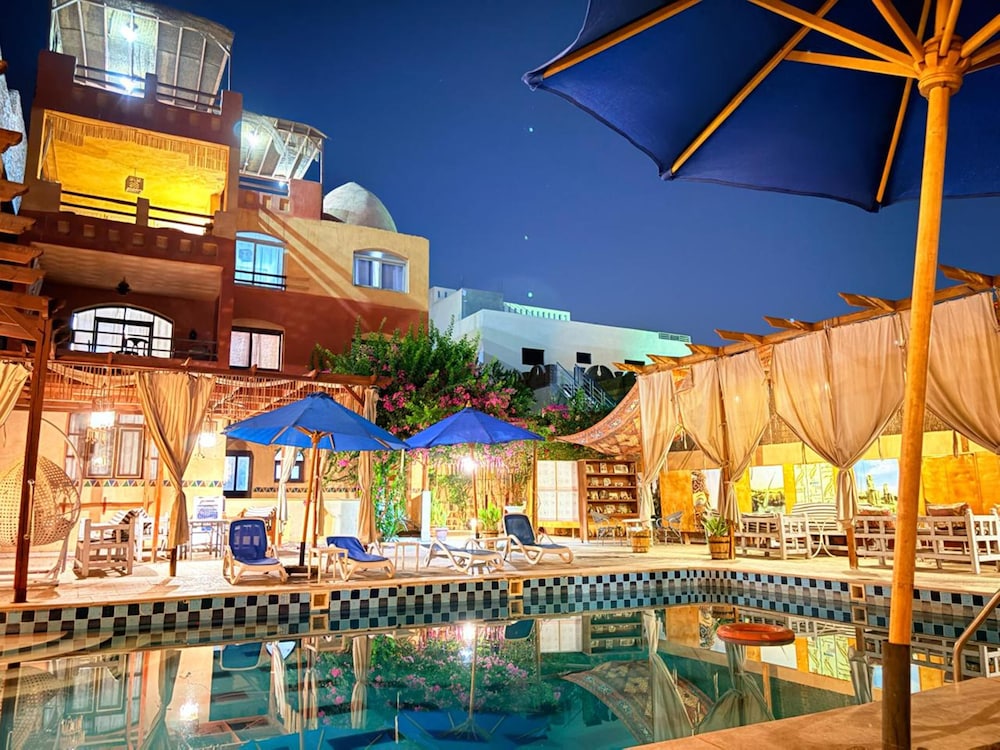
 Mudbrick domes of Hassan Fathy's New Qurna village near the West Bank
New Qurna sits 3 km south of the Colossi of Memnon and runs about 30 percent cheaper than the Nile-side West Bank strip.
What New Qurna actually is
New Qurna is the mudbrick village Hassan Fathy designed in the late 1940s to rehouse families cleared from the tombs of the nobles in Old Qurna. Most of the original settlement has been demolished or absorbed into the modern sprawl west of the Colossi of Memnon, but the mosque, the market hall and a handful of vaulted houses still stand along the main road toward Medinat Habu. It is a working village of roughly 3,000 people, not a preserved museum, and the rhythms are agricultural: sugarcane trucks at dawn, kids on donkeys at four, football on the dust pitch at dusk.
For a traveller, the practical question is whether sleeping here beats sleeping closer to the ferry or across the river on the Corniche. The honest answer: only if you specifically want the West Bank rural experience, want to walk to Medinat Habu at sunrise, and do not mind a 15-minute taxi to reach anything resembling a restaurant scene. If you want cafes, riverside dinners or easy Karnak access, book on the East Bank and cross by ferry.
Who this area suits
New Qurna works for a specific traveller: someone spending three or more nights on the West Bank, doing the Valley of the Kings, Deir el-Bahari, Medinat Habu and the Ramesseum at a slow pace, and happy to eat home-cooked food at their guesthouse rather than hunt restaurants. It suits architects and design pilgrims who want to see what remains of Fathy's project in the morning light. It also suits families with older kids who want to run around dirt lanes, and returning visitors who have already done the East Bank hotels and want something quieter.
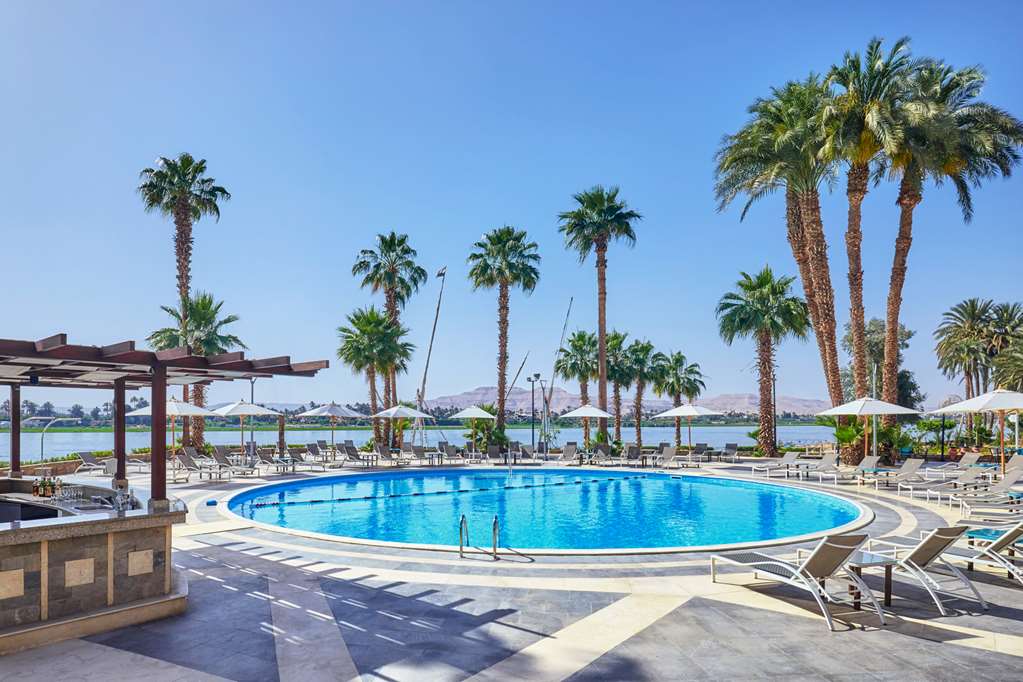
It does not suit first-time visitors on a three-night trip, honeymooners after Nile-view balconies, or anyone who values dining variety. There is no bar, no proper cafe with wifi you would want to work from, and the nearest ATM is 4 km east near the ferry landing. If you need a pool, you are looking at Al-Gezira or Nile-side properties, not New Qurna itself.
What a night costs
Guesthouses in and around New Qurna sit at the cheap end of the West Bank market. Simple rooms with fan and shared bathroom run 250-400 EGP a night. A private room with air conditioning and en-suite in a small family-run place is typically 500-800 EGP including breakfast. The handful of slightly smarter guesthouses aimed at return visitors, with rooftop terraces and 24-hour hot water, sit at 900-1,400 EGP. Compare that to 1,800-3,500 EGP for a mid-range Corniche hotel on the East Bank, and 2,500 EGP upwards for the Al-Gezira Nile-view guesthouses.
The catch with the cheapest tier is inconsistent hot water, mosquitoes in summer, and breakfasts that lean heavily on bread, foul and tea rather than the omelette-and-fruit spread you would get across the river. Pay 700 EGP and the standard rises fast; pay 300 and you are truly roughing it.
What is within walking distance
From the centre of New Qurna, you can walk to the Colossi of Memnon in about 25 minutes along a flat road with a decent shoulder. Medinat Habu is 30 minutes on foot southwest, and the Ramesseum is a similar distance north. The Tombs of the Nobles at Sheikh Abd el-Qurna are 40 minutes uphill and best done by bike or taxi in the heat. Deir el-Medina, the workers' village, is walkable in 45 minutes if you are fit and start before eight.
For anything else you need wheels. The Valley of the Kings is 6 km northwest, Deir el-Bahari 5 km north, and the public ferry to the East Bank is 4.5 km east. Taxi drivers in the village will do half-day loops for 400-600 EGP, and bicycles rent for 60-100 EGP a day from most guesthouses. There is one small grocery, a bakery and two ahwas serving tea and shisha; that is the extent of the village amenities.
Getting to and from the airport and Karnak
Luxor airport is 15 km northeast of New Qurna. A pre-arranged transfer runs 400-500 EGP and takes about 35 minutes via the bridge south of the city. Do not rely on hailing a taxi on arrival late at night in this direction; drivers prefer East Bank fares and may demand double. Ask your guesthouse to send someone. From the airport to the East Bank is quicker and cheaper, at 250-350 EGP and 20 minutes.
For Karnak, you have two routes: the ferry from the West Bank landing (5 EGP for locals, 20-40 EGP if the ticket-seller sees a tourist, ten minutes across, then a 15-minute taxi north from the East Bank landing) or the bridge, which is a 40-minute drive south then north. The ferry wins on cost and charm. Budget an hour door-to-door from New Qurna to Karnak's main gate.
New Qurna versus Al-Gezira and Medinat Habu
Al-Gezira, the strip along the West Bank facing the Corniche, has more guesthouses, better food, and Nile views. It is the obvious choice for a first West Bank stay. New Qurna is cheaper by roughly 30 percent, quieter, and further from the ferry, so pick it only if you want the rural setting or you are specifically drawn to Fathy's architecture. Medinat Habu village, closer to the temple of the same name, is the middle ground: rural feel, walkable to a major site, a few solid guesthouses at 800-1,500 EGP.
If you have only one West Bank night, sleep in Al-Gezira for the sunset over the Nile. If you have three or four, split one or two into New Qurna or Medinat Habu for the pace change. If you have a week, New Qurna as a base with day trips outward works well and saves real money over Corniche hotels.
What to skip and what to book
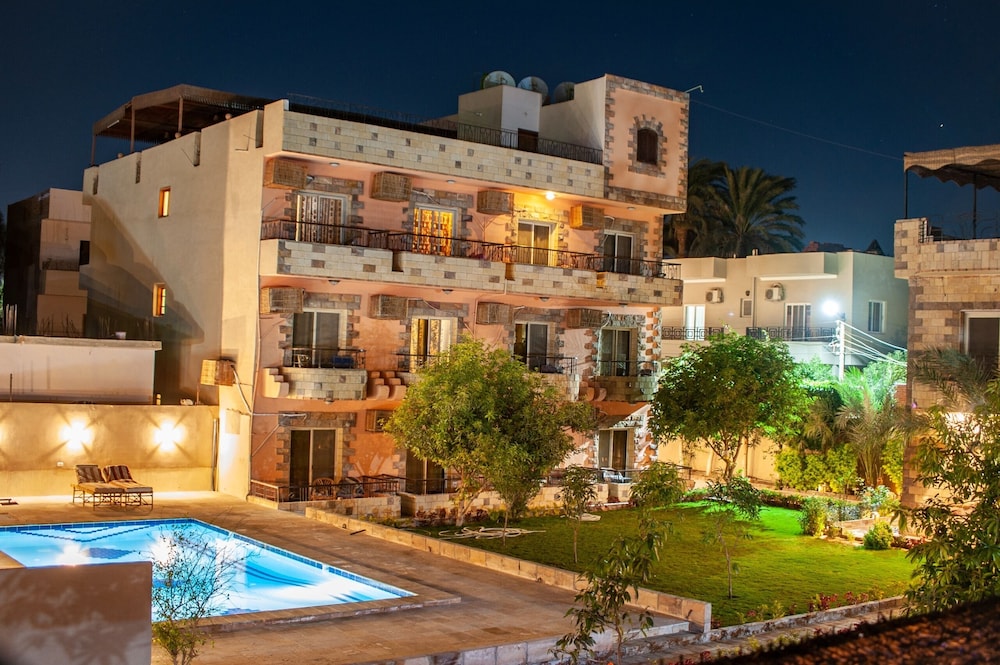
Skip the guesthouses advertising themselves as being in Hassan Fathy's original houses unless they have photos of the vaults and you have confirmed it in writing. Several places make the claim loosely. Skip anywhere without air conditioning if you are visiting between May and September; nighttime temperatures stay above 28 C. Skip the cheapest rooms on booking sites with fewer than 20 reviews, since standards vary wildly.
Book a place with a rooftop, an owner who cooks dinner on request, and bicycles included. Nour el-Gourna, Al-Fayrouz and a couple of the newer places on the road toward Medinat Habu fit that profile at the 700-1,200 EGP range. Confirm airport pickup in advance, ask specifically about hot water pressure, and check whether breakfast includes eggs and fruit or just bread and jam. Those details separate a good three-night stay from a frustrating one.
Before you book
The questions people ask about East Bank, answered with this month’s numbers.
Yes, but partially. The mosque, the market hall and around a dozen of the original vaulted houses survive, mostly along the main road. Many others have been demolished, extended in concrete, or abandoned. A slow walk with a local guide, arranged through most guesthouses for 150-250 EGP, is the best way to see what remains.
Technically yes, at 6 km one way, but it is a hot uphill road with no shade and no facilities. Almost nobody does it on foot. Rent a bicycle for 80 EGP, hire a taxi for 300-400 EGP round trip with waiting, or join a shared minibus at the Colossi of Memnon junction for 30-50 EGP each way.
Not really. There are two ahwas serving tea, bread and shisha, a bakery, and a small grocery. For sit-down meals with a menu, you cross to Al-Gezira, where places like Africa Restaurant and Sofra's West Bank branch serve dinner for 150-350 EGP a head. Most New Qurna guesthouses cook dinner for guests on request at 100-180 EGP.