For most visitors, Luxor is safe in 2026. Tourist areas, the East Bank, the West Bank sites and the ferry crossings operate year-round, and the main risks are ordinary travel risks: heat, traffic on the roads, and persistent sellers in the souq. Check your government's current travel advice for your date, and check the operator's page for anything you have booked. Nothing about Luxor is more dangerous than any other Egyptian city of comparable size.
Why safety here is mostly ordinary
Luxor is a working city of several hundred thousand people whose economy depends on visitors arriving, moving between two banks and going home. That shapes what the police, the hotels and the ferry operators actually do day to day. The East Bank holds the station, the corniche, the Luxor and Karnak temple precincts and most of the hotels, so a visitor can spend a first trip largely on foot and in licensed vehicles. Crime against tourists is rare enough that the national tourist police and the ministry of tourism publish no separate yearly breakdown by city, so what is known is broad and what is not is local.
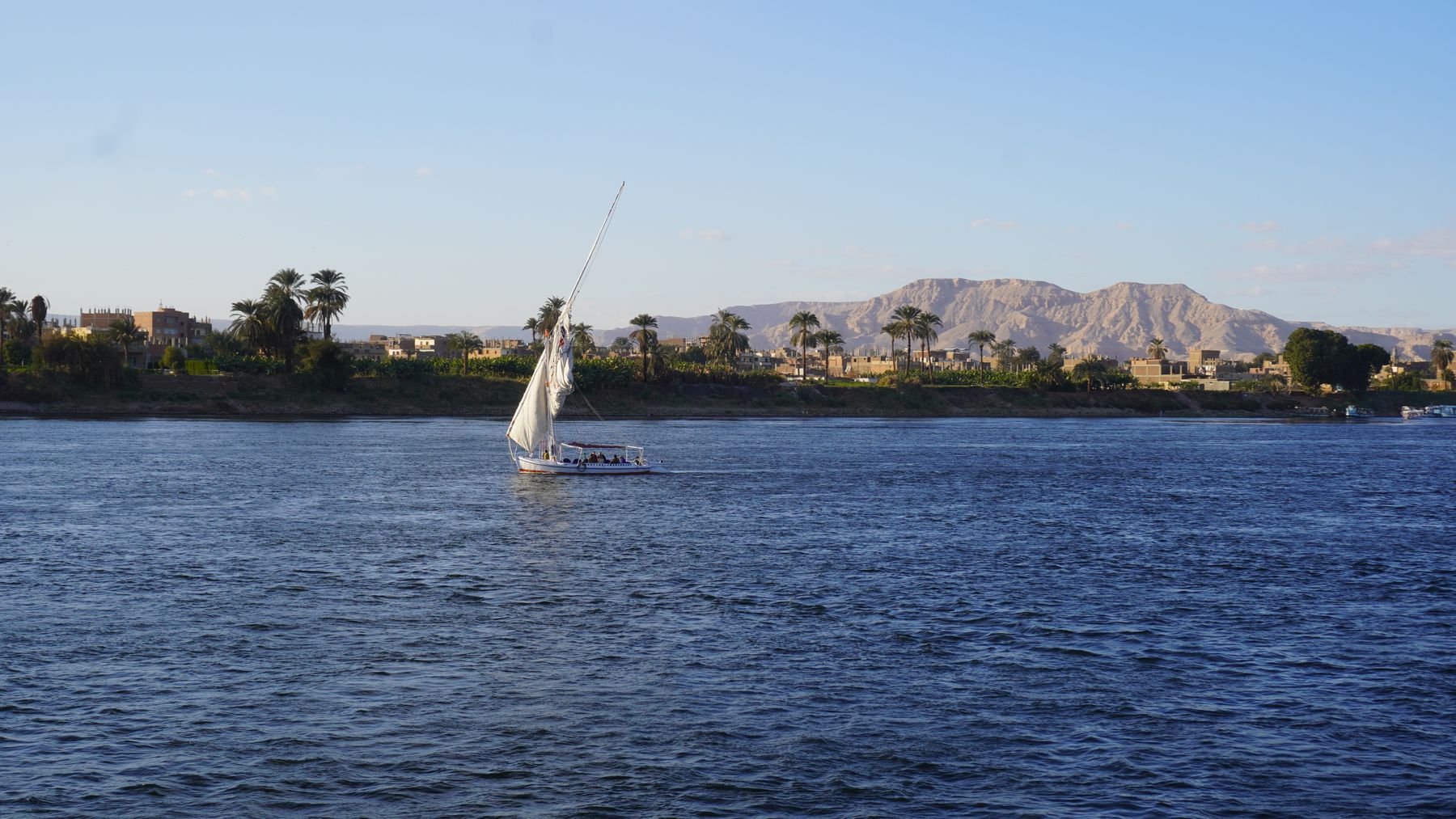
The two banks are joined by public ferries, private boats and the road bridge upstream. Each crossing is a routine part of local life, not a special tourist arrangement, which is why the ferry runs early and late and why the bridge road carries normal traffic. The practical question is not whether Luxor is safe in the abstract but which ordinary risks apply on a given day: heat from roughly May to September, unlit road edges after dark, and pressure from sellers in the tourist markets. Check your government's travel advice for your dates, and check the operator's page for anything you have booked.
Where to stay and base yourself
The area you choose changes how much transport, heat and negotiation your trip involves, more than it changes how safe the city is.
Four steps to settle before you go
These are the checks that remove most of the practical risk from a Luxor trip, in the order they are worth doing.
Three things to walk away from calmly
What to arrange before and on arrival
Documentation matters more than most first-time visitors expect. Carry the original passport and keep a photograph of the data page and the Egyptian entry stamp somewhere separate, because hotel check-in, some site tickets and any police check may ask to see it. Entry rules depend on nationality and change without much notice, so confirm the current requirements on your own government's site rather than on a forum post. Travel insurance that covers medical care and evacuation is worth arranging before departure; hospitals in Luxor handle routine cases and stabilise emergencies, but serious treatment usually means Cairo, and the cost falls on the traveller.
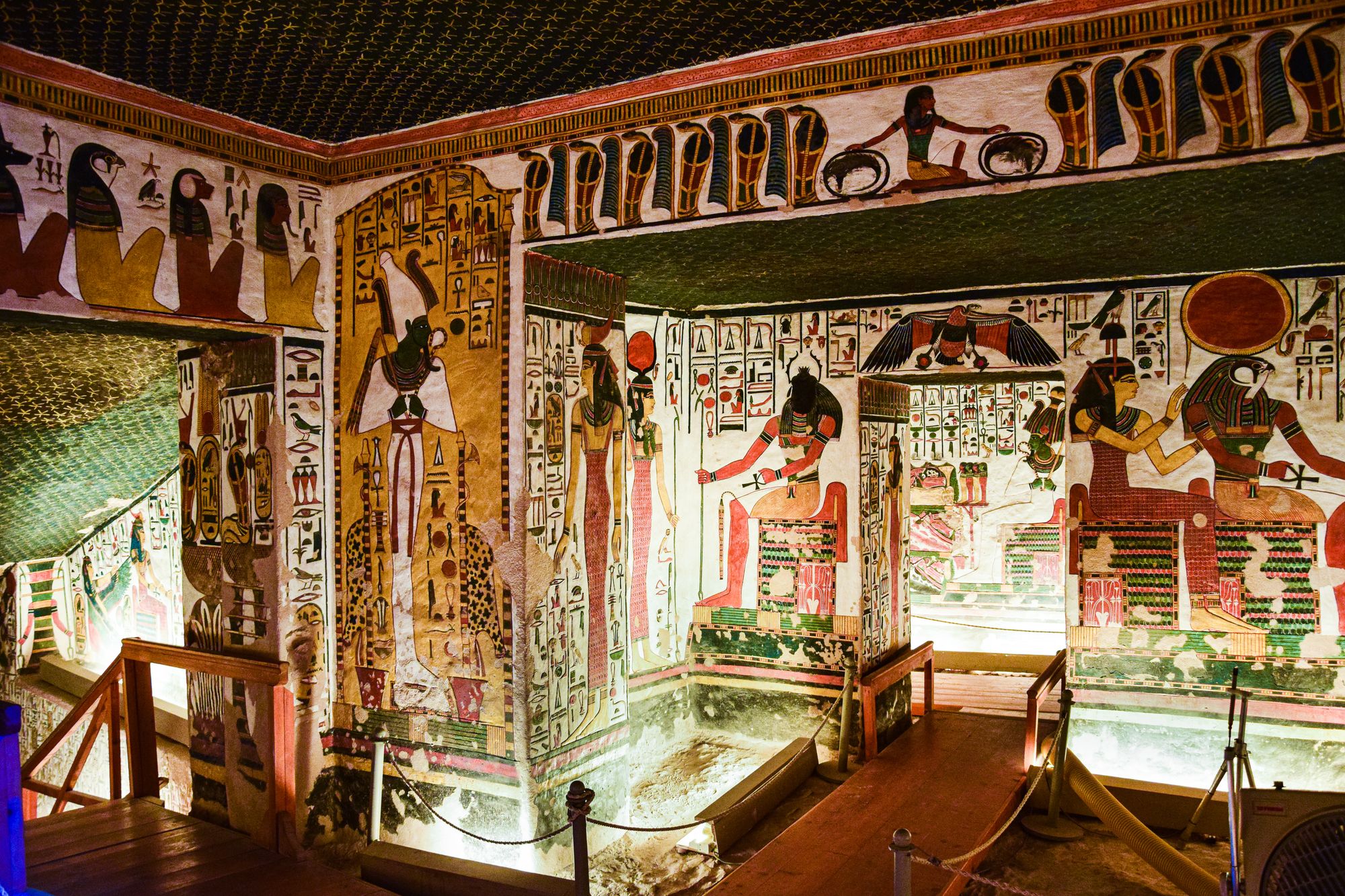
On the ground, the useful habits are unglamorous. Agree the ferry or vehicle and its destination before getting in, keep small notes for the ferry and for tips, and carry water rather than buying it at each site. The Valley of the Kings and the West Bank tombs are hot and exposed, so the middle of the day is the wrong time to start a long walk between them. Most sites and the Luxor Museum publish opening hours that shift with the season and with Ramadan, so check the operator's page or the ticket office for your date rather than relying on a fixed timetable.
The public ferry between the East Bank and Gazirat al-Ward (the West Bank landing) is a local crossing used by residents, and private motorboats run the same route. Fares and hours can change, so confirm the current fare and the last crossing with your hotel or at the landing rather than assuming a fixed schedule. The road bridge upstream is a longer way round and is used by vehicles, not on foot.
When the obvious answer is wrong
The generic reassurance, that everything will be fine and nothing needs checking, is the least useful answer for one group in particular: anyone travelling alone, anyone arriving on a night train or a late flight, and anyone whose itinerary depends on a single unlicensed driver or guide. For those travellers the work is the same as in any city, which is to fix the first night's transport before arrival, to know the name of the hotel and the street, and to keep the phone charged. A licensed hotel desk and a pre-booked transfer remove most of the avoidable friction of a first evening.
Heat is the other place the easy answer fails. Visitors who are older, pregnant, taking medication that affects sweating or heat tolerance, or travelling with young children should treat June to August as a different trip from December to February, with site visits in the early morning and a genuine rest in the afternoon. Dust and dry air aggravate asthma and similar conditions. If any of that applies, ask a doctor before booking, and build the itinerary around the heat rather than assuming a day in the Valley will simply work out.
Questions
Is it safe to walk around Luxor at night?+
The Corniche al-Nil and the streets around Luxor City Center stay active into the evening, and walking there is normal. Away from lit main roads, take the route you would take in any city after dark. If you want a route with company and light, start from the Corniche al-Nil walk.
Is the public ferry to the West Bank safe?+
The public ferry crosses every few minutes and is used by residents going to work, not only by visitors. Boats can be crowded, so keep your bag in front of you. For the sites on the far side, see the West Bank pages.
Do I need a guide to visit the tombs?+
No. Sites such as the Valley of the Kings are ticketed and signposted, and you can move through them on your own. A guide helps most where the information on site is thin and you want context. Opening hours change seasonally, so check the operator's page for your date before you plan the day.
What should I do about money and tipping?+
Carry small notes for tips and for the ferry, and keep larger money separate. Tipping is expected in many settings and is part of how the day runs. The detail on how much and when is set out in the money and tipping pages.
Is it safe to travel outside Luxor to Dendera or Edfu?+
These are established day trips, usually by road with a driver or on an organised tour, and the routes run through open country. The main variable is the length of the day, not the destination. If you are deciding between them, start with the ranked day trip options.