August is the hardest month to visit Luxor, and the question is not whether it is hot but how you restructure the day. Midday sightseeing becomes impractical for most people, so you shift to early mornings and late afternoons, spend the middle of the day indoors or in water, and carry more water than feels necessary. The people who cope best are not tougher, they simply accept a shorter sightseeing day and split it in two. If your dates are fixed, Luxor in August is workable with that structure. If they are not fixed, a slightly later or earlier month gives you far more usable hours.
Why August is different
Luxor sits in a desert climate, and August is the peak of the summer. Daytime temperatures routinely climb above 40 degrees Celsius, and the heat is dry rather than humid. The sun is direct, the ground radiates warmth, and there is little cloud cover. This is not a matter of degree: the difference between April and August is the difference between a long morning outdoors and a very short one. The heat changes what is physically possible between roughly 11am and 4pm, especially for walking around open sites such as the Valley of the Kings or Karnak.
Most visitors underestimate how quickly the body loses water and how slowly it recovers. The dry air means sweat evaporates fast, so you may not notice you are dehydrating. Energy drops, concentration slips, and heat exhaustion becomes a real risk. The sites themselves do not close, but the experience becomes a test of endurance rather than curiosity. The people who manage well are not more tolerant of heat; they simply plan around it, treating the middle of the day as a separate, indoor period.
Ways to handle the August day
These are the main strategies visitors use, with their trade-offs.
Building an August day
Follow this sequence to keep the heat manageable without abandoning the sights.
Three things to walk away from
How to structure a day
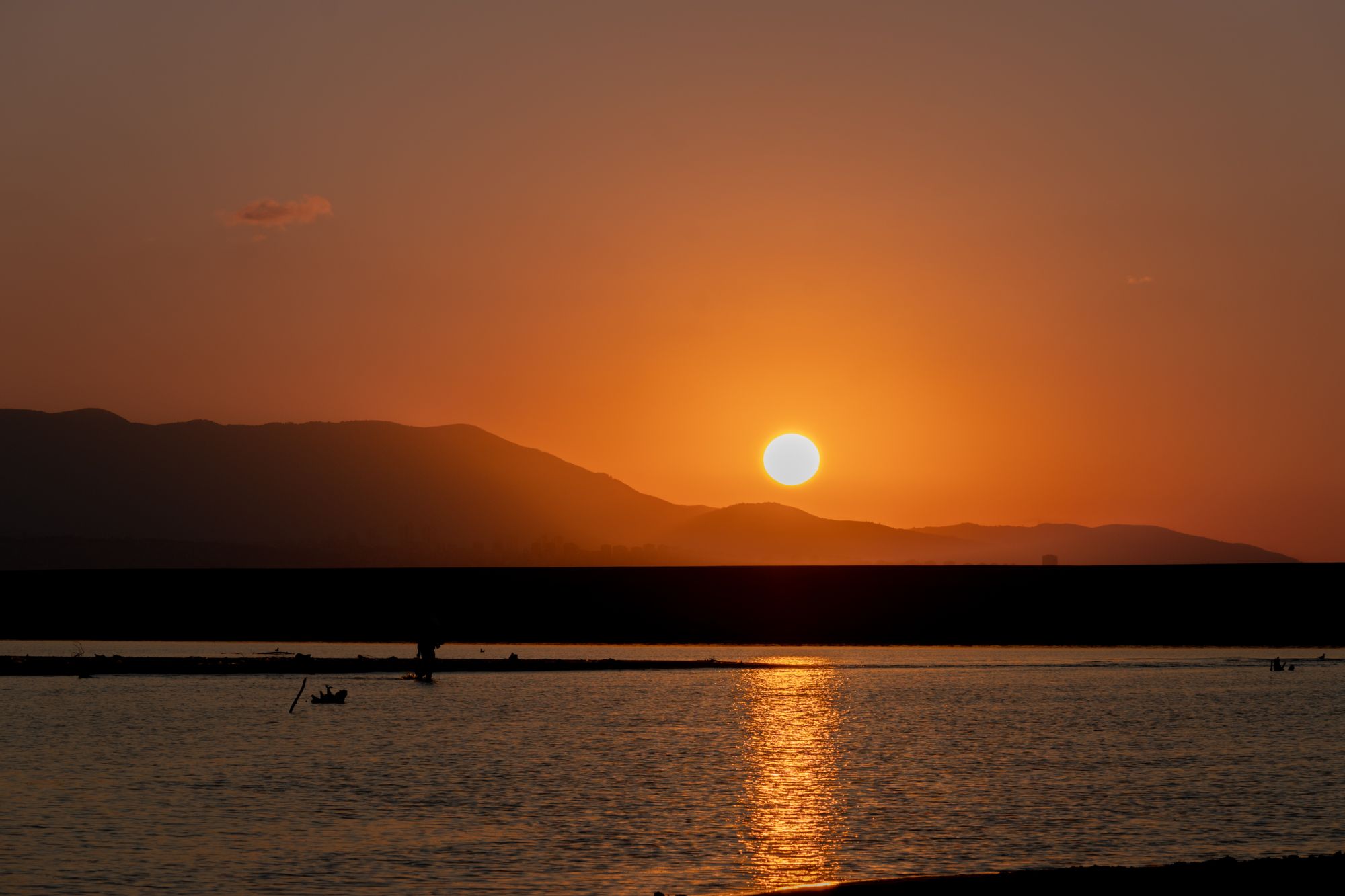
The workable pattern is two outdoor blocks with a long indoor break between them. Start at first light, often around 6am, and tour until 10 or 10.30am. Then retreat: back to the hotel, a pool, an air-conditioned room, or a shaded cafe. Eat a proper lunch and rest. Return to the outdoors around 4 or 4.30pm and continue until sunset, which in August falls between 6.30 and 7pm. This gives you five or six usable outdoor hours, split into two cooler halves. The middle four to five hours are for indoor activities: museums with air conditioning, your hotel, or simply sleeping.
Choose sites by exposure, not by fame. The Valley of the Kings has little shade and heats up quickly; the same is true of the Karnak open courts. The Luxor Museum and the Mummification Museum are fully indoor and air-conditioned, making them ideal for the midday block. The Luxor Temple has some shaded areas and is pleasant in the late afternoon. The Colossi of Memnon are a quick stop with no shade, best done early. West Bank sites generally involve more walking and less cover, so schedule them for the earliest slot. Carry at least two litres of water per person for any outdoor block, and drink before you feel thirsty. Rehydration salts help if you are sweating heavily. Wear loose, light-coloured clothing, a wide-brimmed hat, and sunscreen. Many sites sell water, but not all, and prices rise with distance from the entrance.
Carry more water than you think you need, at least two litres per person for each outdoor block, and start drinking before you feel thirsty. Rehydration salts are worth packing if you sweat heavily. Not every site has a shop, and the ones that do charge more the further you are from the entrance.
When August stops working
The obvious answer, that you can simply push through, is wrong when your trip is short or your group includes people who are vulnerable to heat. If you have only two days in Luxor, the split-day structure eats into the number of sites you can cover. You will see less than in a cooler month, and you may spend the midday hours too tired to enjoy the evening. Young children, older travellers, and anyone with heart or respiratory conditions should treat August with caution, because the heat stress is cumulative over consecutive days.
If your dates are fixed and you fall into one of those groups, consider reducing the outdoor blocks to one per day, either early morning or late afternoon, and filling the rest with indoor options. If your dates are flexible, a shift to late September or October, or back to March or April, gives you far more usable hours and a wider choice of sites. The heat does not make Luxor impossible in August, but it makes a short, packed trip the wrong shape for the conditions.
Questions
Is Luxor in August too hot to visit?+
It is hot enough to change how you plan, not necessarily hot enough to cancel. The workable approach is early mornings and late afternoons outdoors, and a long indoor or shaded break in the middle. People who try to tour straight through the day are the ones who struggle. For month-by-month context, see when to visit Luxor.
Should I stay on the East Bank or the West Bank in August?+
The East Bank has the city, the station and most restaurants, so the middle of the day is easier to fill with indoor options. The West Bank puts you closer to the tombs and mortuary temples for early starts. If you are splitting the day into two outdoor blocks, either works, but read both areas before choosing.
How do I get around Luxor in August without exhausting myself?+
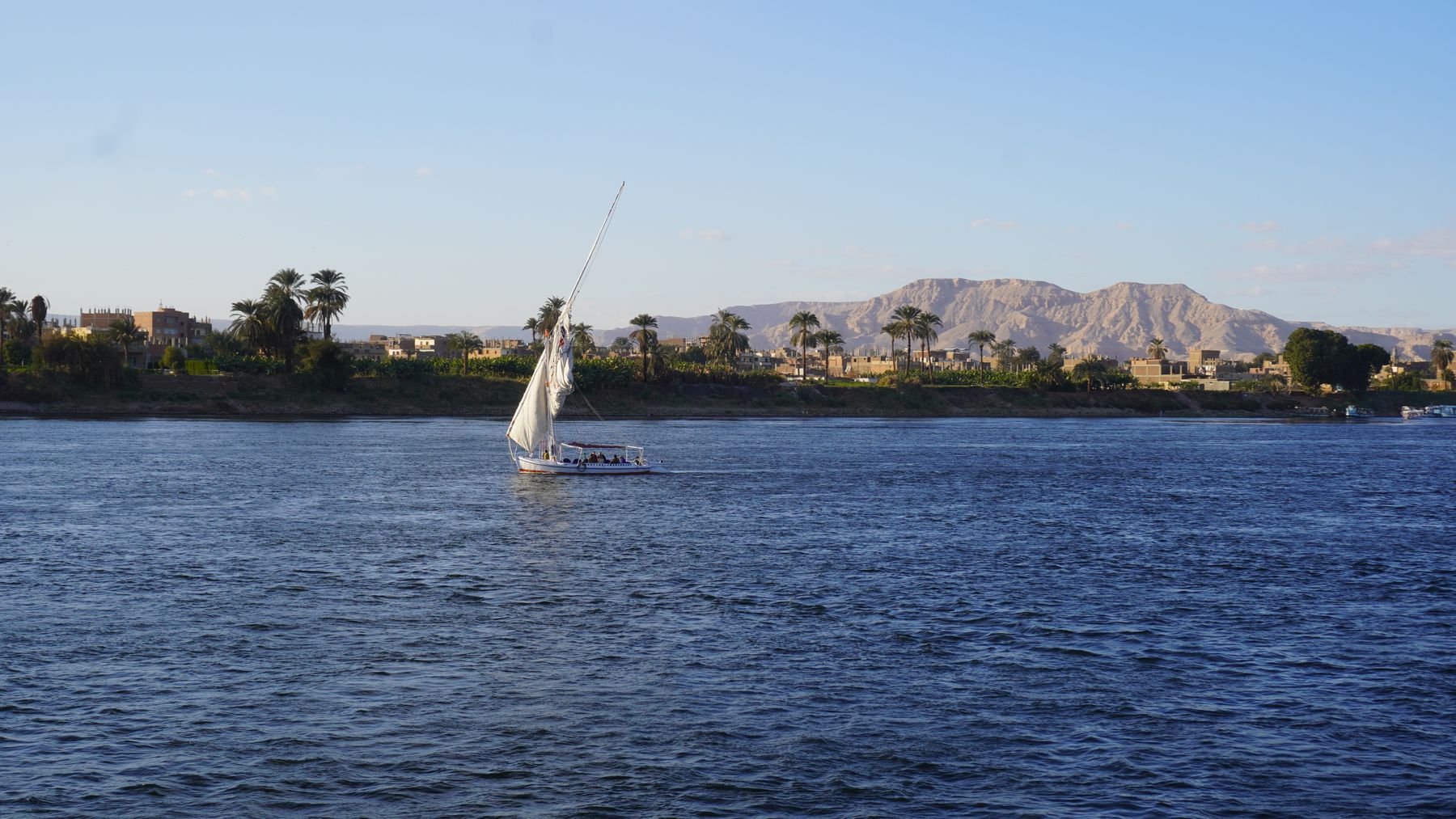
Short hops matter more in the heat, so plan fewer stops and accept more waiting in shade. The public ferry crosses between the two banks frequently, and private boats run on demand, which keeps river crossings quick. The bridge is a road crossing south of the city and is usually the slowest option. See how to move around before you fix your days.
What can I do in Luxor during the hottest hours?+
Museums, covered temple halls, bookshops and cafes are the practical answer, along with a pool or a hotel room. The middle of the day is not dead time if you plan it as its own block rather than as a gap. There is a full list of indoor and low-effort options if you need them.
Is sightseeing alone in August safe in Luxor?+
The heat is the main risk, not personal safety, and the precautions are the same ones you would take anywhere hot: water, shade, and stopping before you feel unwell. Falling ill on a solo trip is harder to manage, so keep your plans flexible and tell someone where you are going. General safety advice covers the rest.