Treat summer Luxor as two working windows: roughly dawn to late morning, and late afternoon to night. Put the Valley of the Kings, the West Bank tombs and open temple floors in the first window, because those sites have the least shade and the longest walking. Keep the middle of the day for the Luxor Museum, the Mummification Museum, a long lunch, a hotel pool or sleep. Return to Karnak or Luxor Temple after the worst heat, then eat late.
Why the heat becomes a scheduling problem
Luxor's summer heat is not a single temperature you dress for, it is a curve that decides which sites are usable and when. The Valley of the Kings and the West Bank tombs have almost no shade between the car park and the tomb entrances, and the walk from the ticket office to the first tomb is exposed. Open temple floors such as Karnak and Luxor Temple are worse after about eleven, because the stone radiates back what it has absorbed. The sites that work at midday are the ones with a roof and air conditioning: the Luxor Museum, the Mummification Museum, a hotel lobby, a car.
That is why the answer is not to skip the monuments but to split the day. The same site can be bearable at seven and punishing at one. Opening hours are set by the operator and change seasonally, so check the day before for the sites you intend to use. The Valley of the Kings ticket office, for example, opens early in the morning, but the exact time moves with the season, so confirm it the night before rather than relying on a guidebook. The point is to put the least shaded, longest walking sites into the coolest hours and the roofed sites into the middle.
Options for a summer day
The blocks below are the ones that fit the two windows; the last is the one that does not.
How to set up the day
Work through these in order before you commit to tickets or a guide.
Three claims to walk away from
Building the two windows in practice
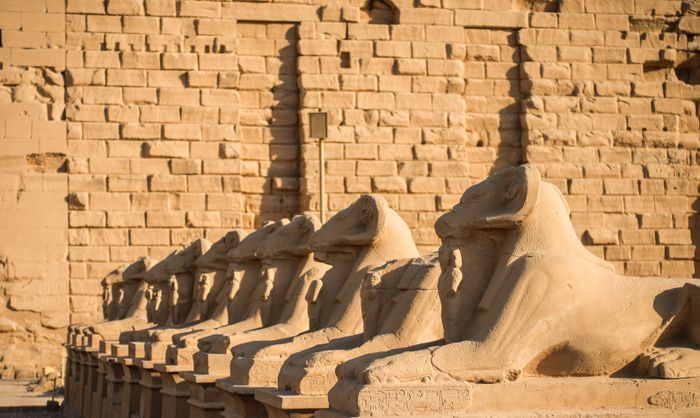
The first window runs from first light to roughly late morning. Use it for anything with a long exposed approach: the Valley of the Kings, the West Bank tombs, the open floors of Karnak, the Colossi of Memnon if you are passing. Start on the side of the river where you are sleeping to avoid a crossing at the worst time, or cross early if your first site is on the other bank. Carry more water than feels necessary and drink it before you are thirsty. A hat and a scarf that covers the neck do more than sunscreen alone.
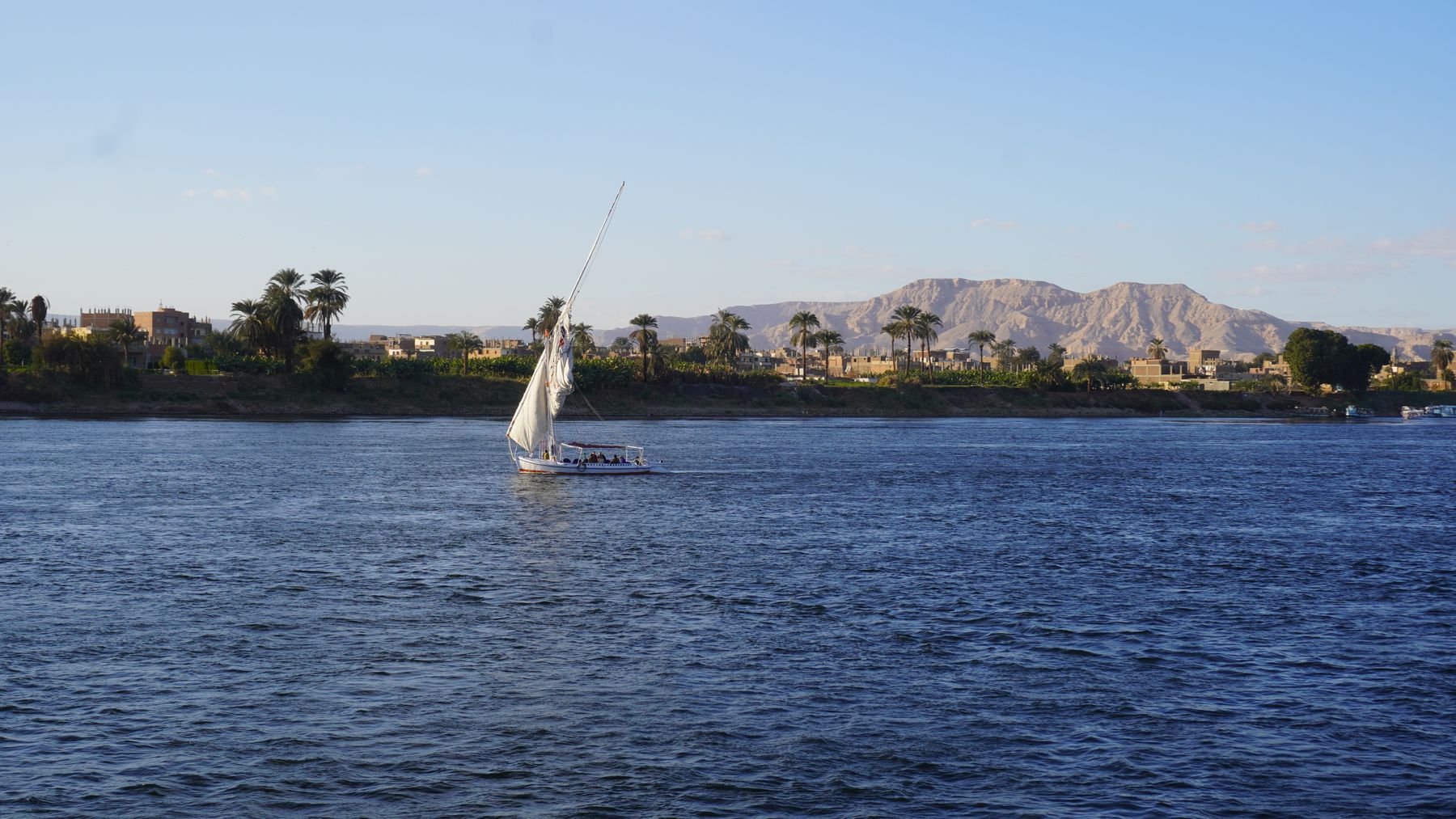
The second window runs from late afternoon into the night. Luxor Temple and Karnak are both lit in the evening, and the West Bank sites are closed by then, so this is for the East Bank temples and for walking. The corniche, the market and the restaurant streets are busiest after dark and are pleasant at that hour. Between the two windows, keep the middle of the day indoors: the Luxor Museum and the Mummification Museum are small enough to see properly in an hour or two, and both are air conditioned. A long lunch, a pool, or sleep fills the rest.
Carry water and drink it on a schedule rather than waiting for thirst. Rehydration salts are sold in pharmacies in Luxor, and local advice is to use them if you have been sweating heavily for hours. Alcohol and very heavy meals in the middle of the day make the afternoon harder; save both for after dark.
When the obvious answer is wrong
The commonest mistake is treating the Valley of the Kings as a midday option because the tombs are underground. The tombs are cooler than the surface, but the walk between them is not, and the ticket covers a set number of tombs that you choose one by one, which means standing in the open while you decide. The second mistake is deciding to push through the first day to acclimatise. Heat illness does not work that way, and a ruined afternoon costs more than a slow morning. If you feel unwell, stop, find shade, drink water, and do not continue.
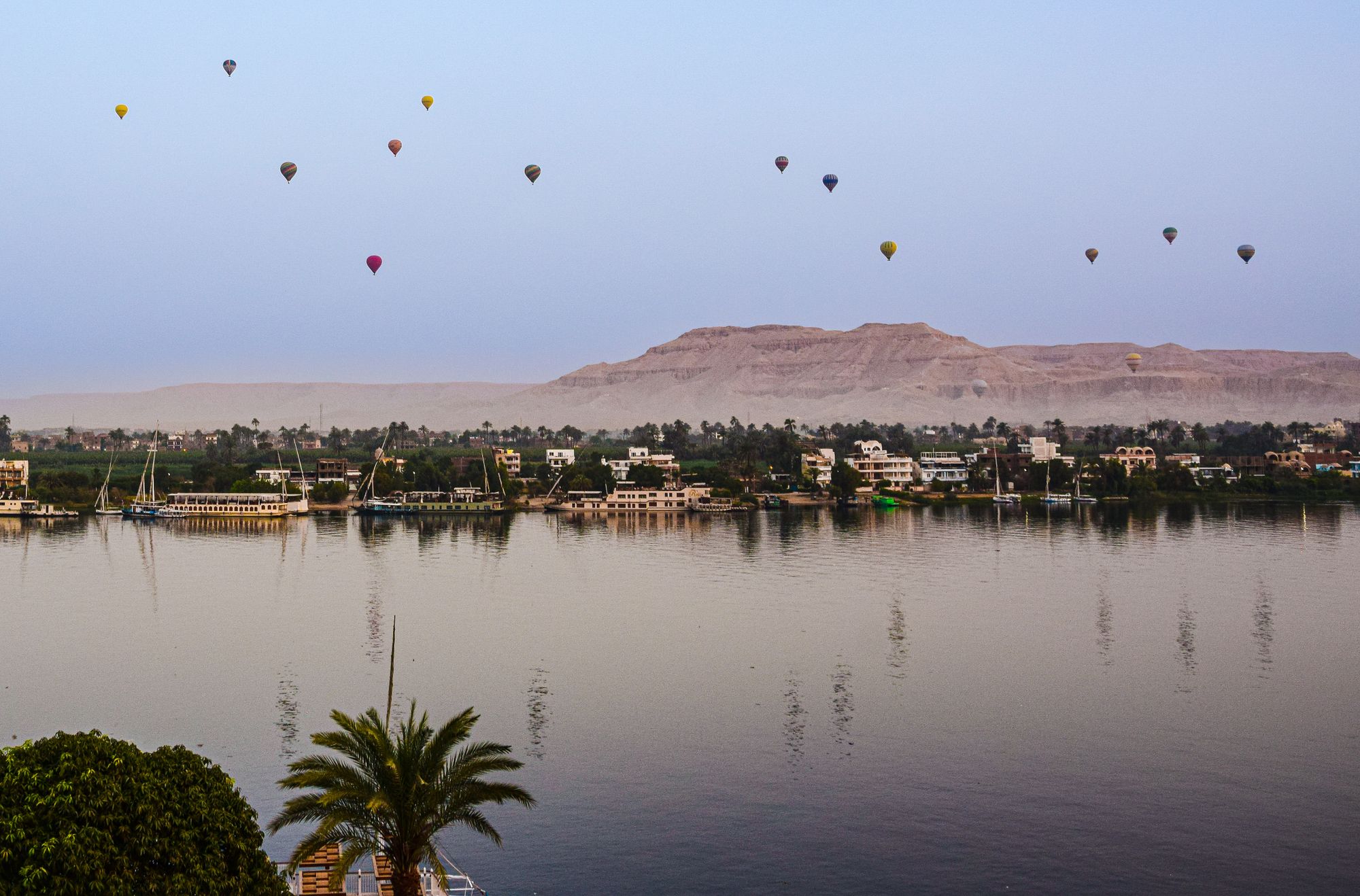
The third is booking a balloon flight for a date without confirming the season. Balloon operations are weather dependent and are suspended at some times of year, so a sunrise flight sold for a summer date may not run. Check with the operator for your date rather than a reseller's listing. If the flight is cancelled, the fallback is the same first window on the West Bank, which is where you would have been anyway. Build the plan so that one cancelled booking does not empty the day.
Questions
Which months count as summer in Luxor?+
The hottest stretch runs from roughly May to September, with July and August the most extreme. The shoulder months still get hot days but the mornings and evenings are more forgiving. If your dates are flexible, compare the seasonal pattern before you commit.
Should I stay on the East Bank or the West Bank in summer?+
The East Bank puts you near the station, the restaurants and the evening life, which matters more in summer because your useful hours are early and late. The West Bank puts you closer to the tombs and the dawn start. Weigh which of those windows you care about more, then check the detail.
How do I get across the river without losing the cool hours?+
There is a public ferry running every few minutes, private boats on demand and a road bridge south of the city. The ferry and the private boats put you near the main West Bank sites. Sort out the crossing before you plan the day, because it shapes what fits.
What can I do in Luxor when it is too hot to be outside?+
The Luxor Museum and the Mummification Museum are indoor, air-conditioned and central, and both can fill a midday block properly. A long lunch and a hotel pool are the other honest options. Pair one indoor site with one that opens late.
Is a West Bank balloon flight worth it in summer?+
The flight itself is at dawn, so heat is less of an issue than the very early start and the weather dependency. Flights can be cancelled, and the schedule is set by the operator rather than by your itinerary. Check current operating details for your dates before planning around it.