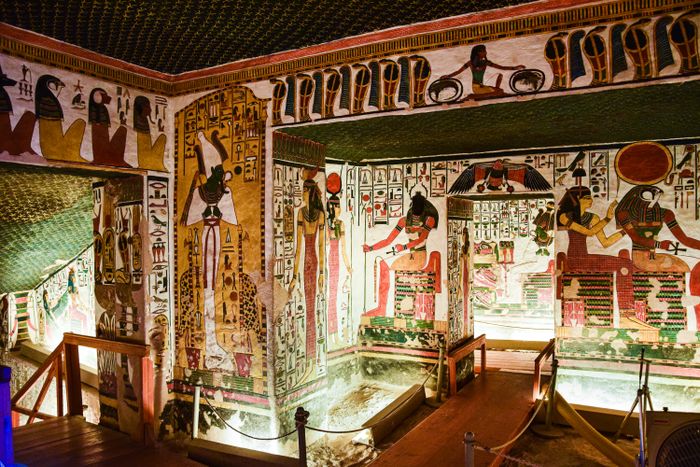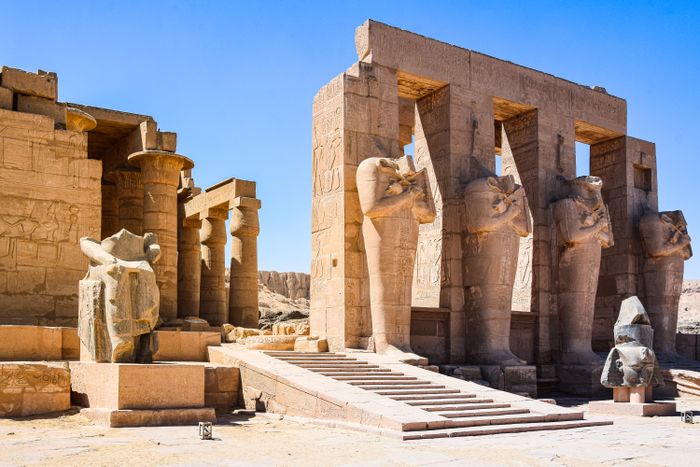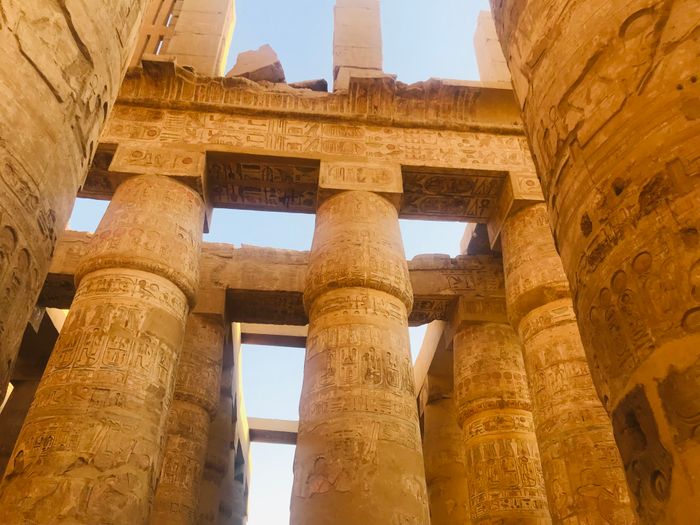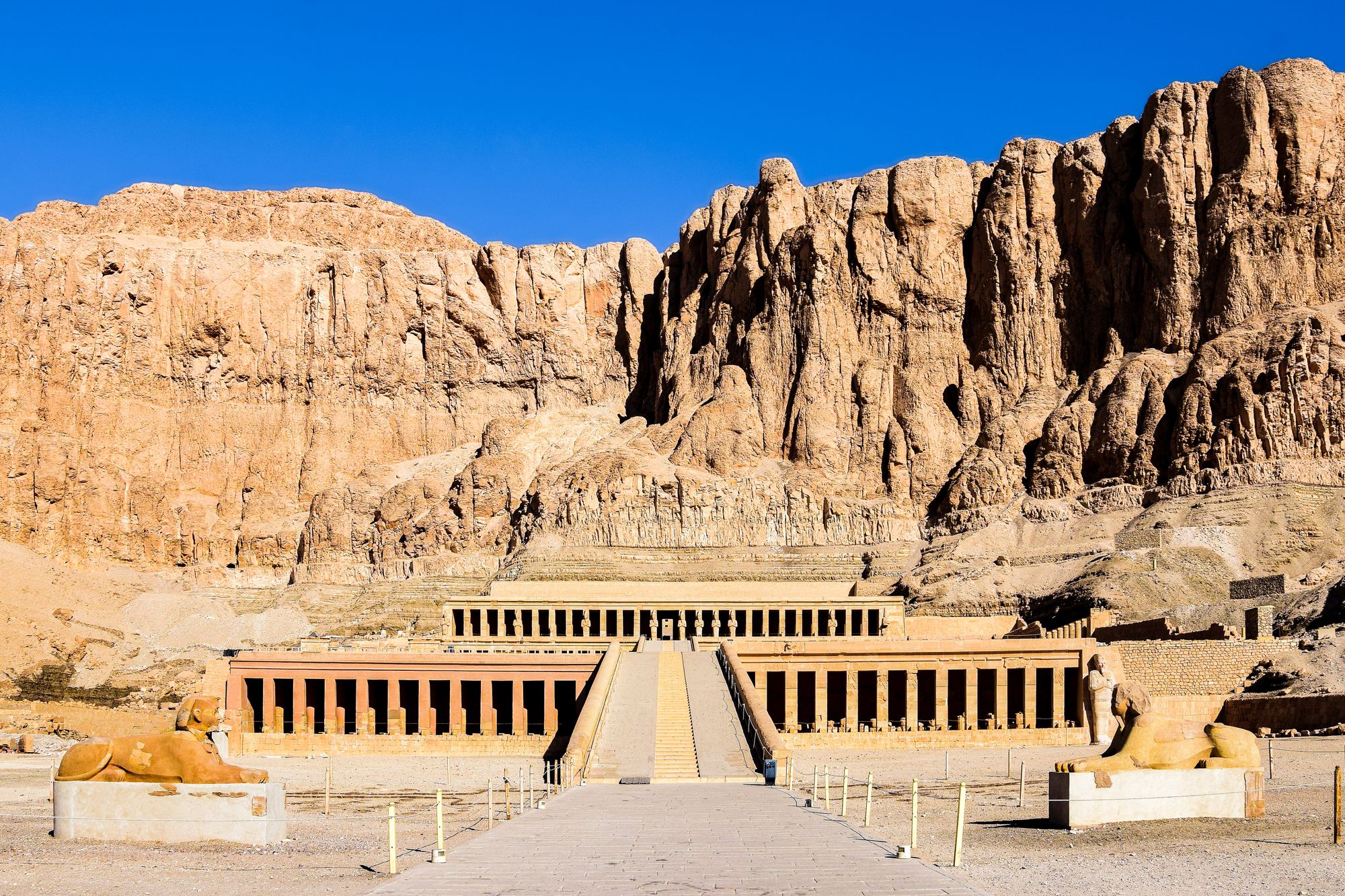
The strongest off-trail picks are Al-Tod and Armant on the East Bank, Deir El Medina and the Tombs of the Nobles on the West Bank, and the Mummification Museum in the city centre. Ranked by how few people you meet and how much you get for the effort, Al-Tod and Armant lead because almost no tour buses go there. Deir El Medina is the best compromise: a walled workers' village with painted tombs that most day-trippers skip on the way to the Valley of the Kings.
Why the quiet sites sit where they do
Luxor's coach circuit follows a narrow corridor of sites that can absorb a large group and turn it around inside an hour. The Valley of the Kings, the Temple of Hatshepsut and Karnak all have the turning space, the ticket capacity and the shade that a fifty-seat vehicle requires. Anything without those three things drops off the itinerary, which is why the distance from a bus park is a better guide to how empty a site will be than any description of its quality. Al-Tod and Armant sit south of the usual loop and hold almost no coach traffic.
The West Bank is often described as one place, but it is not. The northern sites along the main road, the Valley of the Kings and the Temple of Hatshepsut draw the coaches, while Deir El Medina and the Tombs of the Nobles sit on a different run entirely, reached by a turn that a full-size bus cannot easily make. The result is that two stops on the same ridge can feel like two different regions: one with touts, shade and a queue, one with a ticket window and silence. Picking off-trail sites is mostly a matter of picking the second kind of road.
The options ranked
Each entry is judged on distance from the coach circuit and whether a normal visit returns the effort of getting there.
Planning your off-trail day
A short sequence that keeps a quiet day from turning into a wasted one.
Three things to walk away from
What you need to know before you go
Opening status is the variable that decides most of these trips, and it is not consistent. Sites such as Deir El Medina and the Tombs of the Nobles can close for conservation, for a single tomb's restoration, or for a holiday that is not published in advance in English. The official Ministry of Tourism and Antiquities pages and the Luxor Pass listings carry the current position, but even those lag behind on-the-day decisions. Check the day before you travel and again on the morning, and keep a second site on the same bank as a fallback, so a closure costs you a short drive rather than the whole outing.
Transport is the other fixed cost. The West Bank sites beyond the main road need a vehicle that can wait, because there is no reliable service to flag down and no taxi rank at Deir El Medina. Drivers at the ferry landing will quote for the round trip, and the sensible arrangement is a set number of hours with waiting included, agreed before you set off. On the East Bank, Al-Tod and Armant are far enough south that a return trip needs the same arrangement. Carry water, sun cover and small notes for tickets and tips, since card machines are rare and change is often short.
Tickets for the West Bank sites are sold at the individual site or at the main ticket office near the ferry, and some tombs carry a separate charge on top of the site entry. Cards are accepted at the larger offices but not at every gate, and prices are set by the Ministry, so a driver offering a discount is not doing you a favour.
When the obvious pick is wrong
Deir El Medina is the usual recommendation for a first off-trail stop, and it earns that place, but not for everyone. The site is compact and its painted tombs are among the best preserved in Egypt, yet the chambers are small and the descent is steep, with limited air movement. Anyone with knee trouble, claustrophobia or a low tolerance for heat in an enclosed space should treat the Tombs of the Nobles as the better choice instead: the tombs there are larger, more numerous and easier to stand up in, and a visitor can leave one and walk to another without committing to a confined space.
The same logic applies to Al-Tod and Armant. They are the quietest options on the list, and that quiet carries a cost: there is less on-site interpretation, fewer facilities and almost no one to ask. They suit a traveller who has already seen the main sites and wants the contrast, and they are a poor first stop for someone still learning the chronology. The Mummification Museum is the reverse case, useful to a first-timer on a hot afternoon but too slight for a full day. Match the site to the day you actually have, not to the reputation of the name.
Questions
Do I need a car to reach Al-Tod and Armant?+
Yes, in practice. They sit south of Luxor on the East Bank and are not served by the ferry or by a regular tourist taxi rank, so a car and driver for the half day is the usual arrangement. Agree the stopping time and the return before you set off. For the other side of the river, see what the West Bank offers.
Is Deir El Medina worth it if I am already seeing the Valley of the Kings?+
It is a different experience rather than a lesser one. The Valley of the Kings is about royal scale, while Deir El Medina is a walled workers' village with tombs that show the people who built those royal tombs. If you have a spare half day on the West Bank, it adds something the big sites do not.
How long should I allow for the Tombs of the Nobles?+
Allow at least two hours, more if you want to climb between tomb groups. The hillside setting means stairs, sun and uneven ground, so go early or late rather than at midday. Not all tombs are open at once, which affects the time and the value of the visit.
Is the Mummification Museum a good rainy day or spare hour option?+
It is the most compact of the city's museums and sits on the East Bank, so it fits an hour before or after the corniche. It explains preparation and burial rather than displaying grand sculpture, which makes it a useful complement to tomb visits. Check current hours, since they change seasonally.
Can I combine East Bank and West Bank off-trail sites in one day?+
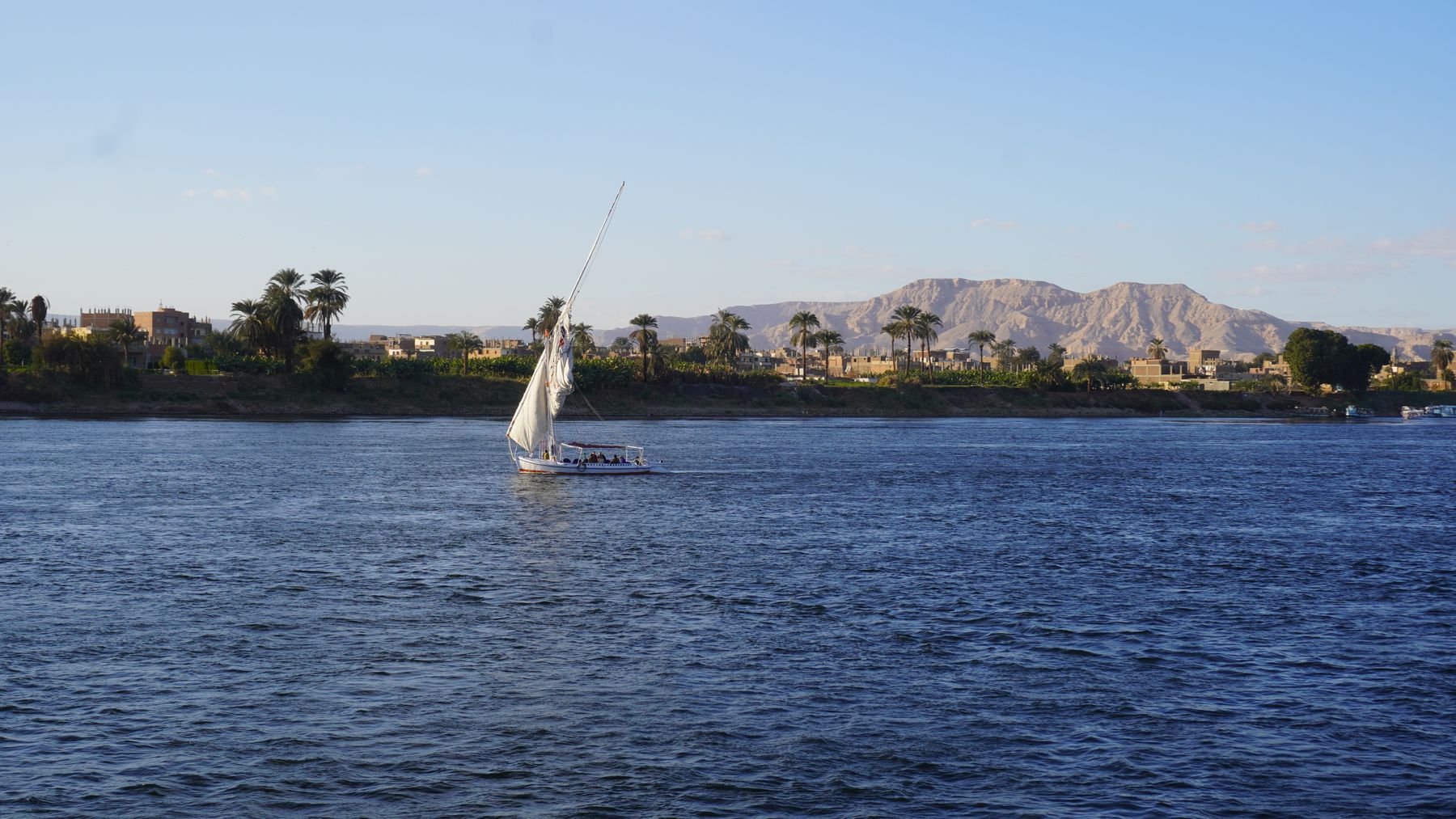
You can, but you lose most of the day to crossings and transfers. The public ferry runs every few minutes while the road bridge is well south of the city, so a split day means at least two crossings. Pick one bank per day and keep the other for the next morning.