The overrated experiences in Luxor are the hot air balloon ride, the horse-drawn carriage, and the Colossi of Memnon. The balloon is often cancelled due to wind and offers a distant view; the carriage is a slow, hassle-heavy way to cover short distances; the Colossi are two statues that take five minutes. Better alternatives exist for each.
Why reputation and reality diverge
Luxor's most talked-about experiences are often the ones with the least to see. The balloon ride, the carriage, and the Colossi of Memnon all appear on every list and in every brochure, which inflates expectations before arrival. Reputation builds from photographs and secondhand accounts, not from what a visitor actually spends time doing. A balloon flight is visible from the ground, so it looks like the definitive Luxor moment, yet the flight path stays high and distant. A carriage is photogenic in a way a minivan is not. Two statues photograph well from a single angle. None of these rewards the time they take.
The pattern is consistent: the more an experience is designed to be watched or photographed, the less it asks of the place itself. The Valley of the Kings and Medinet Habu are not photogenic in the same instant way. They demand walking, heat, and attention, which is exactly why they are worth the effort. The overrated options cluster on the West Bank because that is where tour operators can package a short stop between bigger sites. The East Bank avoids the problem entirely, since the temples and the museum sit within walking distance of each other.
How the options compare
The five experiences below are ranked by what they give back relative to the time and hassle they cost.
What to do instead
The sequence below replaces the three overrated experiences with alternatives that fit the same day.
Three things to walk away from
What the alternatives actually involve
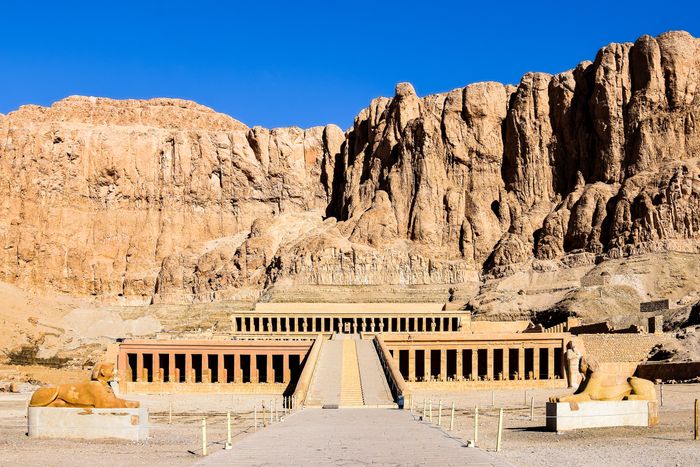
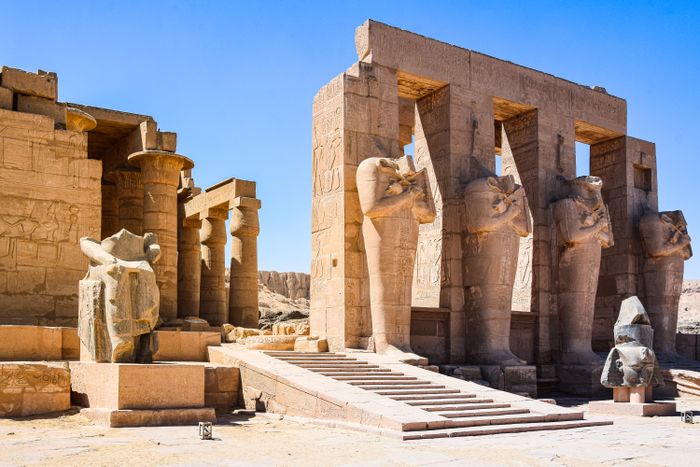
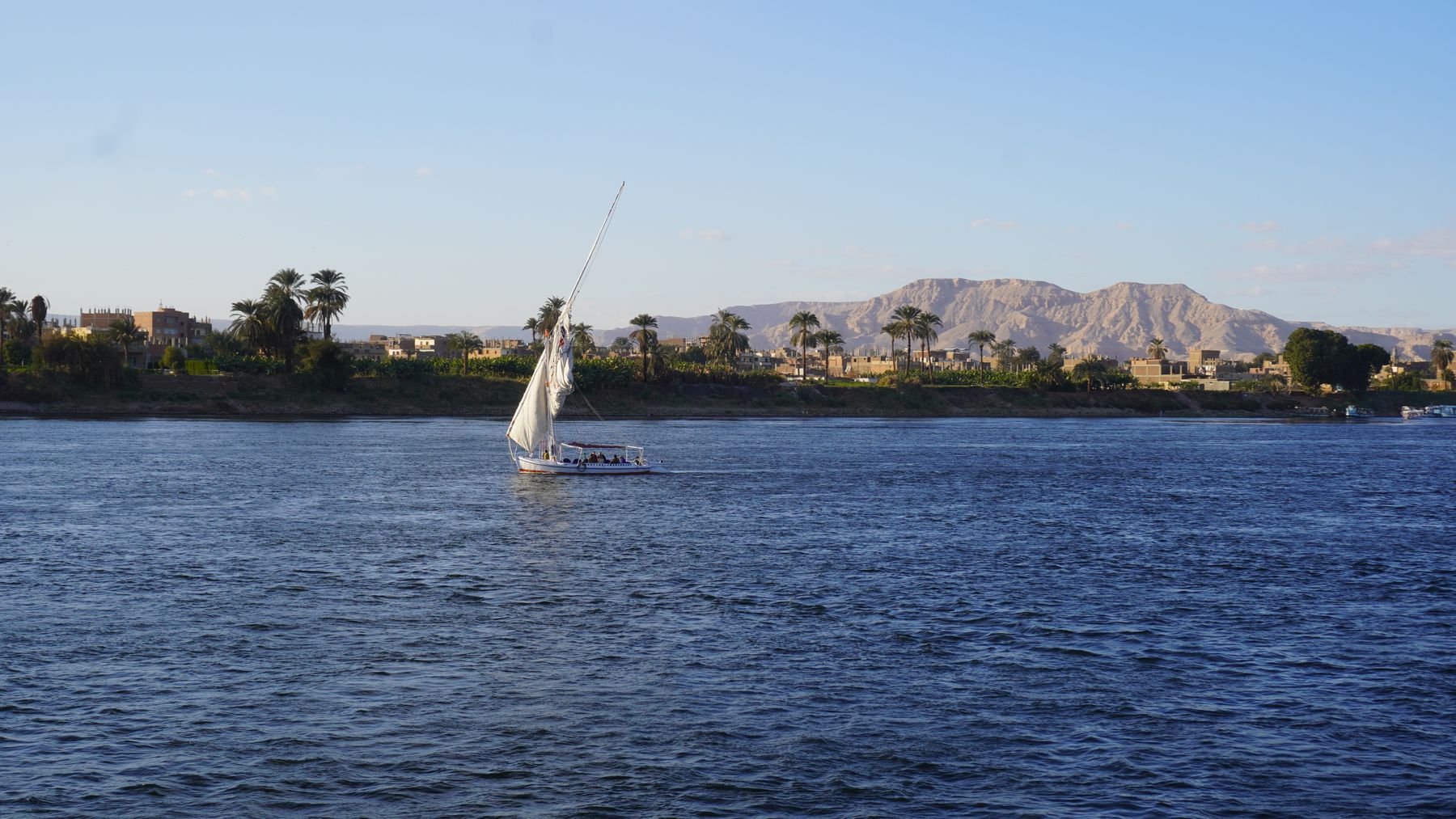
The Valley of the Kings opens early and the tombs heat up by mid-morning, so arriving at opening is the practical choice. Tickets cover a set number of tombs, with separate tickets for the special ones, and the rules change, so check the operator's page for your date. Medinet Habu is a short drive south of the main West Bank sites and its painted reliefs survive better than most, because the site saw less later reuse. It takes an hour or more to walk properly, which is the point. The public ferry crosses the Nile for a fraction of a private boat and runs frequently through the day.
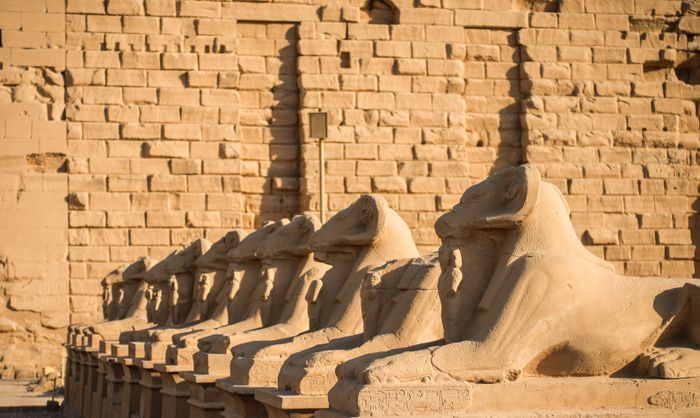
On the East Bank, Luxor Temple and Karnak are far enough apart that walking between them in summer is unpleasant, but a taxi covers the distance quickly and cheaply, and the corniche is pleasant in the evening. The Luxor Museum is small enough to see in a single visit and sits on the riverfront. None of these require a booking in advance except the Valley of the Kings ticket, which is bought at the gate. The carriage and the balloon both require negotiation or scheduling, which adds friction that the better alternatives do not have.
The Valley of the Kings sells tickets at the gate and the number of tombs included changes, so confirm the current arrangement on the operator's page for your date. Medinet Habu is usually quieter in the early afternoon. The public ferry runs through the day but less often after dark, so plan the return crossing before evening.
When the obvious answer is wrong
The balloon is the clearest case. Flights are cancelled often because of wind, and a cancellation costs a pre-dawn start and a rebooking, not just the ride. When a flight does go, the view is from high above the fields and the monuments appear small and distant. If the aim is to see the West Bank from the air, the balloon does that, but it does not bring a visitor closer to anything. Anyone who wants to understand the tombs should be inside them, not above them. The same logic applies to the carriage: it covers short distances slowly and the driver often stops at shops.
The Colossi of Memnon are the exception that proves the rule. They stand beside the road to the Valley of the Kings, so a passing glance is inexpensive to reach. The mistake is treating them as a destination. They are two statues, badly damaged, with no enclosure or interpretation, and five minutes is enough. A special trip from the East Bank to see them alone wastes half a day. If they happen to be on the route, stop. If not, Medinet Habu is a few minutes further and repays a full visit rather than a photograph from a car park.
Questions
Is the hot air balloon ride over Luxor worth it?+
The balloon ride is often cancelled at short notice because of wind, and when it does fly, the route usually stays east of the main monuments. The views are not as close to the temples as many expect. Many travellers find the experience underwhelming for the early start and the uncertainty. For a more reliable and detailed view of the West Bank, consider spending the morning at the Valley of the Kings.
Are the Colossi of Memnon worth visiting?+
The Colossi are two large statues that stand alone beside the road on the West Bank. Most visitors stop for five to ten minutes to take a photo. There is little else to see at the site, and the nearby Medinet Habu offers a far richer experience. If you are passing, a quick stop is fine, but do not make a special trip.
Should I take a horse-drawn carriage in Luxor?+
Horse-drawn carriages are a common sight on the East Bank, but they are slow and often involve haggling over the price. The horses may be poorly treated, and the ride can be uncomfortable on busy streets. Walking or taking a taxi is usually faster and less stressful. For short hops along the Corniche, walking is straightforward.
What are the best alternatives to the overrated experiences?+
Instead of the balloon, visit the Valley of the Kings early in the morning. Instead of a carriage, use the public ferry to cross the Nile and explore the West Bank at your own pace. Instead of the Colossi, spend time at Medinet Habu. These alternatives offer more substance and less hassle.
Is Luxor Temple overrated?+
Luxor Temple is centrally located and beautifully lit at night, but it can be crowded and is smaller than Karnak. Some visitors find it less impressive after seeing Karnak and the West Bank temples. However, its setting in the city centre makes it convenient for an evening visit. It is worth seeing if you have time, but it need not be the priority.